

Reliable Betting Sites Like Adibet for Nigerian Punters
Discover top betting sites like Adibet in Nigeria 🇳🇬. Compare payment methods, user experience, and safety tips for a smooth ₦-friendly betting journey.
Edited By
Oluwatoyin Adesanya
Kenya Adibet has quickly become a key player in Kenya's booming online betting industry. As internet access widens and smartphones become more affordable, platforms like Kenya Adibet tap into a large, tech-savvy audience ready to place bets on football, horse racing, and more.
This growth is not without challenges. Kenya’s betting scene operates under regulations administered by the Betting Control and Licensing Board (BCLB), which ensures operators like Kenya Adibet meet licensing requirements and protect consumers. Still, fast-moving tech developments and evolving betting types test existing rules.
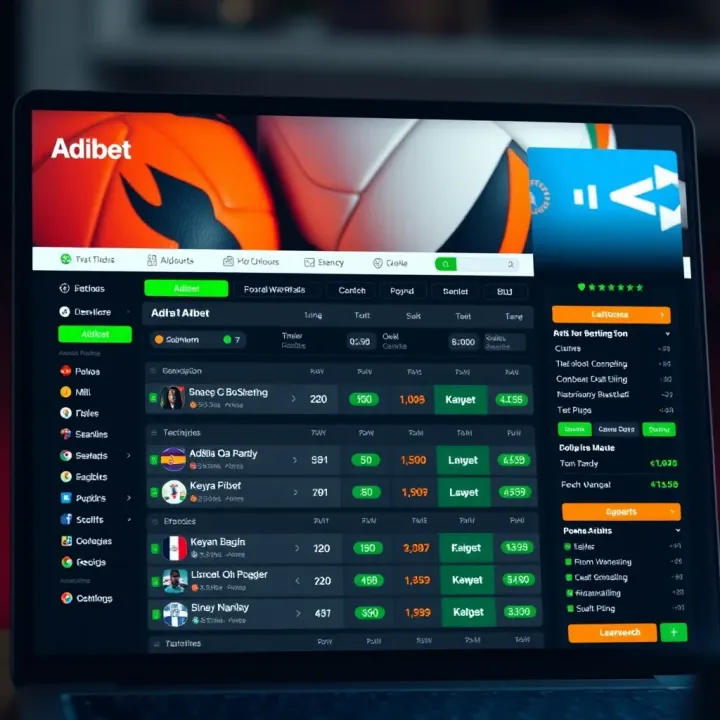
Kenya Adibet’s user-friendly interface and multiple betting options—from fixed odds to live betting—attract regular punters, but also raise concerns about responsible gambling. The ease of access means many young adults engage casually, influencing local betting habits and even financial behaviour.
Retail and digital betting combined now account for a significant portion of Kenya’s gambling revenue, with platforms like Kenya Adibet contributing sizably to this market.
Diverse Bet Types: Covers popular sports like football and basketball, alongside horse racing and virtual games.
Mobile Compatibility: Optimised apps and websites suit Kenyan users, working effectively on typical mobile data bundles.
Secure Payment Options: Supports local payment methods such as M-Pesa, Airtel Money, and bank transfers, easing transactions.
Online betting thrives due to increased smartphone penetration and reliable mobile networks. Especially in urban centres like Nairobi and Mombasa, digital platforms expand access. However, rural areas remain underserved, creating a digital divide in betting participation.
Regulatory Gaps: Rapid innovation outpaces some regulatory frameworks, demanding CBN and BCLB collaboration.
Addiction Risks: More accessible betting has seen rising cases of problem gambling, prompting calls for stricter controls.
Market Competition: Numerous operators compete fiercely, pushing Kenya Adibet to continually improve services and offers.
Understanding how Kenya Adibet fits into this ecosystem offers valuable insights for stakeholders aiming to balance growth with sustainability. It highlights the social and economic impact betting has within Kenyan communities today.
Kenya Adibet plays a significant role within Kenya’s dynamic online betting landscape. Understanding its position helps bettors, account managers, and regulators grasp how digital platforms shape betting habits and the broader gaming economy. This introduction lays the groundwork by explaining the platform’s offerings and the shifting betting culture influenced by technological advances.
Kenya Adibet serves as an online hub where users can place bets on sports, virtual games, and other markets. Its purpose is to provide a simple, secure venue for Kenyans to engage in betting without physical constraints. Besides standard sports like football and rugby, the platform offers special features such as live betting, allowing users to wager on events in real time, enhancing engagement.
The user interface emphasises ease of access, even for first-time bettors. Mobile compatibility is a core focus, recognising that most users access the site via smartphones with varied data bandwidths. Clear menus and quick loading times make Kenya Adibet accessible across different devices, which is essential in a country where internet access quality varies widely.
Compared to other Kenyan betting sites like Betway and SportPesa, Kenya Adibet offers competitive odds and a distinct blend of local and international markets. While Betway is known for its polished interface catering to a global audience, Kenya Adibet tailors its services more closely to Kenyan preferences, including robust integration with local payment systems. This local focus often proves attractive to users seeking convenience and familiarity.
The online betting market in Kenya has expanded rapidly over the last decade, with millions of registered users across platforms. Increased smartphone penetration and affordable data plans mean more Kenyans can engage with betting apps from urban centres to rural towns. Notably, young adults aged 18 to 35 form the core user base, attracted by accessible betting opportunities combined with popular sports content.
Several factors fuel online betting’s popularity. Besides the entertainment aspect, betting acts as a possible income stream for many Nigerians facing economic challenges. Platforms offering bonuses, free bets, and easy transactions encourage regular use. Added to this is the allure of watching favourite teams or events with higher stakes through live betting options.
Mobile money platforms like M-Pesa have been crucial in driving accessibility. Kenya’s widespread adoption of M-Pesa allows seamless deposits and withdrawals without needing traditional bank accounts, a significant advantage in a country where many remain unbanked. This integration breaks down barriers, enabling smooth financial transactions that enhance user experience and trust.
Kenya's online betting scene thrives mainly because it aligns closely with local economic realities and technological infrastructure, making platforms like Kenya Adibet essential players.
This introduction sets the context for understanding Kenya Adibet’s operations and its broader impacts on society and the economy.
Understanding how Kenya Adibet works and the features it offers is essential for users and stakeholders alike. This platform's operation influences user experience, security, betting options, and transaction ease — all vital in Kenya’s competitive online betting scene.
Setting up an account on Kenya Adibet is straightforward, making entry accessible even to those less tech-savvy. Users typically provide basic information such as full name, phone number, and email. Verification often involves confirming the phone number with an OTP (one-time password) sent via SMS, tying accounts to mobile identities essential in Kenya's telecom ecosystem. This simple registration supports quick onboarding, allowing users to start betting without lengthy delays.
Security goes beyond the signup. Kenya Adibet employs user verification methods to protect accounts. This includes Know Your Customer (KYC) procedures where users may submit identification documents like a national ID or passport. These checks not only prevent fraud but also comply with Kenya’s Betting, Lotteries and Gaming Act. Additionally, password encryption and occasional two-factor authentication cushions users from unauthorised access, underpinning trust in platform safety.
Kenya Adibet offers a diverse range of sports betting options, typically focusing on football (soccer), which dominates local interest. Users can bet on Kenyan Premier League matches, English Premier League, and even international tournaments like the World Cup. Besides football, markets also cover basketball, tennis, rugby, and more. This variety ensures bettors have multiple ways to engage with sports events.
Virtual games are another key feature. When live sports events are scarce, users can bet on simulated games such as virtual football, horse racing, and even dog racing. These virtual markets run continuously, giving bettors fresh options regardless of real-world schedules. It keeps the platform lively and users engaged beyond traditional games.
Live betting adds an exciting layer, allowing users to place bets during ongoing matches. Odds update dynamically depending on the current game scenario. For example, a bettor watching a football match can bet on the next goal scorer or the match outcome after a red card. This real-time feature enhances user involvement and strategic betting.

Kenya Adibet’s integration with M-Pesa and other mobile wallets is a practical advantage. Given M-Pesa’s widespread use across Kenya, this means depositing funds is fast, secure, and familiar to users. Other mobile wallets like Airtel Money and T-Kash also find their place, widening accessibility especially for those in rural areas.
Processing times are generally swift. Deposits via mobile money reflect instantly, enabling users to place bets immediately. Withdrawals might take a few minutes to several hours depending on the size and verification status but are designed to be timely. Transaction limits align with regulatory standards, balancing platform risk with user convenience — often capped at amounts that fit typical betting patterns without encouraging excessive stakes.
Quick, secure transactions combined with diverse betting markets give Kenya Adibet users a competitive and user-friendly experience, vital in Kenya’s crowded online betting market.
Understanding the regulatory environment is key to grasping how Kenya Adibet and other online betting platforms operate. The legal framework sets the boundaries, ensuring operators act within the rules, protecting consumers, and allowing for proper tax collection. For sports bettors and compliance officers, knowing these details helps prevent legal pitfalls and supports responsible betting.
Kenya’s Betting, Lotteries and Gaming Act (BLGA) is the principal legislation governing all forms of betting, including the online segment where Kenya Adibet operates. Passed decades ago but still effective, it lays down clear rules on who can offer betting services and under what conditions. The Act covers traditional betting shops and extends its reach to electronic platforms.
The law requires operators to be licensed and provides the government the authority to regulate the industry, aiming to keep betting fair and transparent. This regulation includes monitoring betting activities, ensuring winnings are paid promptly, and guarding against illegal betting practices. For users, this means they can trust platforms working under these laws, confident that their funds and bets are protected.
Any platform like Kenya Adibet must secure a licence from the Betting Control and Licensing Board (BCLB) before offering betting services legally. This process involves proving financial stability, technical capability, and methods to prevent underage betting and fraud.
Compliance doesn’t stop at getting the licence. Operators must submit regular reports to the BCLB, proving they meet ongoing standards. Failure to comply can lead to fines or losing the licence, which would force shutdown of operations. This regulatory diligence ensures the betting market remains organised and credible.
Enforcing compliance in Kenya’s vast online betting space is not without challenges. The rise of unlicensed operators exploiting loopholes makes it difficult for regulators to police the market fully. Internet accessibility across rural and urban areas means some bettors can access unregulated services, increasing risks of fraud and money laundering.
Resources to monitor digital transactions and user behaviour are limited, slowing enforcement. Still, agencies are increasingly adopting technology-driven tools to track betting activities and block illegal platforms. For regulated entities like Kenya Adibet, these enforcement efforts mean a level playing field and greater consumer trust.
Tax collection from betting operators is a significant revenue source for the government. Licensed operators pay a tax on stakes placed and winnings distributed. Kenya Adibet, for instance, contributes through these mechanisms to national revenue, supporting public services.
However, tax collection is complicated by operators sometimes using offshore accounts or clients operating anonymously. This makes it tough for the government to capture full tax owed. Stricter regulation and real-time transaction monitoring are ways being explored to improve transparency and tax compliance.
Protecting consumers is a core concern tied to Kenya’s online betting laws. The regulator mandates clear communication of bet terms, restrictions on underage participation, and mechanisms for complaint resolution. Platforms like Kenya Adibet must provide responsible gaming tools, such as self-exclusion and betting limits, to help users manage risks.
Moreover, data protection laws require operators to secure user information, reducing identity theft or fraud risks. These measures aim to build confidence among bettors by offering a safer and more transparent betting environment.
Kenya’s regulatory framework is steadily evolving to balance industry growth with consumer protection. For users and operators alike, understanding these legal requirements is crucial for a sustainable betting ecosystem.
Kenya Adibet’s presence has noticeably shifted the betting culture and economic landscape in Kenya. Its role is not just confining to providing a platform for wagers but extends to altering how people engage with sports, leisure, and financial transactions online. Understanding its impact helps grasp both opportunities and challenges faced by stakeholders including users, regulators, and the government.
Kenya’s online betting scene, led by platforms like Kenya Adibet, largely attracts young adults, primarily between 18 and 35 years. These users are mostly urban dwellers with access to smartphones and mobile internet, thanks to widespread network coverage and affordable data plans mainly offered by providers like Safaricom and Airtel. The ease of registration and integration with mobile money systems such as M-Pesa makes it appealing for this age group to quickly participate.
This demographic trend is particularly relevant as it points to a digital-savvy audience that engages casually and sometimes intensively, shaping the future of betting, where physical betting shops lose ground to online platforms. However, it also raises questions about youth exposure to gambling risks.
Football dominates the betting charts on Kenya Adibet, with Kenya Premier League, English Premier League, and international tournaments like the FIFA World Cup drawing the most attention. Athletics and rugby also hold popularity, reflecting Kenya's sporting strengths and interests. Live events with real-time odds keep bettors engaged, encouraging more active participation.
Understanding which sports gather the highest betting volumes helps operators and regulators target responsible gaming messages effectively. For instance, football’s year-round schedule sustains consistent betting activity, more than seasonal or one-off events.
The growing accessibility of platforms like Kenya Adibet can inadvertently lead to increased problem gambling. Continuous availability, easy deposit methods, and tempting live betting create an environment where impulse bets become common. This raises concerns about addiction, financial distress, and social issues among regular bettors.
Mitigating these risks requires user education, tighter age verification, and enforced limits on bets and deposits. Without these measures, problem gambling remains a real concern, especially among younger users with less financial resilience.
Kenya Adibet contributes significantly to job creation, not only directly through platform operations but also indirectly by boosting sectors such as telecommunications, fintech services, and digital marketing. The online betting world fuels software development roles, customer service jobs, and agents helping users navigate betting processes.
This activity feeds into Kenya’s broader digital economy, highlighting how bet-related platforms support innovation and entrepreneurship, providing new income streams in a country battling high youth unemployment.
Taxation on betting earnings and operators generates important revenue for the Kenyan government. Taxes collected help fund public services, infrastructure projects, and regulatory bodies. The Betting Control and Licensing Board (BCLB) ensures that licensed operators like Kenya Adibet comply with tax obligations.
Revenue visibility from betting helps the government understand market size and demand, which can influence policy formulation balancing economic benefit with social protection.
Alongside economic gains, betting creates social costs including family breakdowns, financial hardship, and mental health challenges for problem gamblers. Communities sometimes bear the brunt of these negative effects, leading to increased pressure on social welfare structures.
Advocates and policymakers urge stronger measures around responsible gaming—such as mandatory self-exclusion features, betting limits, and public awareness campaigns—to safeguard vulnerable groups. Platforms like Kenya Adibet face growing demand to implement these controls transparently and effectively.
The impact of Kenya Adibet stretches beyond mere betting — it shapes behaviours, supports economic pockets, and imposes social responsibilities that call for balanced, well-informed attention from all involved parties.
Understanding the challenges and future prospects of Kenya Adibet sheds light on its sustainability in Kenya's competitive online betting scene. A solid grasp of technical, regulatory, and market dynamics helps users, operators, and regulators navigate this evolving landscape.
Platform reliability and scalability are vital for Kenya Adibet to maintain user trust and accommodate growing demand. Downtimes or slow response times, especially during peak events like the English Premier League matches, can frustrate users and lead them to rival platforms. For example, failing to handle a surge in simultaneous bets during a popular live game undermines customer experience and revenue.
Moreover, as the user base expands, Kenya Adibet must scale infrastructure while controlling costs. Without scalable architecture, adding new features or reaching more bettors in rural areas could stall. The platform’s ability to upgrade servers, manage database transactions, and deliver smooth mobile access remains essential to stay competitive.
Security risks also stand as a major concern. Fraud and hacking threats put user funds and data at risk. Cases of account takeovers or phishing scams have caused losses in Nigeria and South Africa, underscoring the need for robust security. Kenya Adibet must guard against unauthorized access by using multi-factor authentication and continuous monitoring.
The platform also needs to educate users on avoiding fraud attempts. Ignorant bettors who share sensitive details or click dubious links expose themselves to theft. Strengthening security protocols and prompt fraud detection are practical steps to secure Kenya Adibet’s reputation and user base.
Kenya’s betting laws are under review, reflecting growing concerns over social impacts and tax collection. Anticipated shifts in legislation may impose stricter licensing rules or digital taxes. Operators like Kenya Adibet will have to adapt quickly to maintain compliance, affecting profit margins and operational models.
For example, proposed levies on betting turnover rather than profits could reshape financial planning and encourage platforms to introduce new products or diversify revenue streams.
Increased competition among providers is also expected with new entrants bringing aggressive marketing and innovative features. Kenya Adibet faces the pressure of retaining loyal customers through unique offerings like live streaming, enhanced odds, or loyalty rewards.
Competition leads to better service but also margins squeeze. Partnering with popular mobile money services or integrating with social platforms can be a key differentiator.
Advances in payment and betting technology continue reshaping user experience. Instant deposits and withdrawals via M-Pesa or Airtel Money, combined with AI-driven personalised betting tips, are becoming standard expectations.
Kenya Adibet must keep pace with technology trends by adopting biometric logins, blockchain for transparency, or predictive analytics to offer smarter betting options. Failure to do so risks losing users to more tech-savvy rivals.
Encouraging responsible betting practices remains a shared priority. Users should set limits and understand risks, while Kenya Adibet can implement self-exclusion tools and provide access to support for problem gamblers. This reduces social costs and promotes sustainable market growth.
Policymakers need to focus on improving regulation enforcement to curb illegal operators and protect consumers. Coordinated efforts between agencies like the Betting Control and Licensing Board (BCLB) and consumer bodies can enhance oversight effectiveness.
Promoting financial inclusion through betting platforms is a practical way to support Kenya’s digital economy. Many users rely on mobile money, so Kenya Adibet can expand access by lowering minimum bets and partnering with payment providers to reach underbanked populations.
Sustainable growth in Kenya’s online betting hinges on balancing innovation with security and regulation. Addressing these challenges today secures the future for Kenya Adibet and the wider betting community.
By focusing on these areas, Kenya Adibet can remain relevant, safe, and profitable amid a fast-changing industry.
Discover top betting sites like Adibet in Nigeria 🇳🇬. Compare payment methods, user experience, and safety tips for a smooth ₦-friendly betting journey.

📊 Master Adibet odds with clear tips on reading types, understanding factors, and smart strategies for sports betting in Nigeria. Bet wisely and boost your ₦wins today! 🇳🇬

⚽ Discover how Adibet Soccer lets Nigerian fans bet on football matches safely. Learn registration, tips, and common challenges in Naija’s betting scene! ₦⚽

Discover the Adibet founder's journey shaping Nigeria's betting scene 🎯, from innovative tech moves to overcoming market challenges, redefining online betting prospects.
Based on 9 reviews