

Adibet Football Prediction Today for Nigerian Bettors
⚽ Discover Adibet football predictions today tailored for Nigerian bettors. Get reliable insights, smart strategies, and tips to up your betting game responsibly. 📊
Edited By
Oliver Bennett
Nigeria's national football team, widely known as the Super Eagles, stands as a pillar of Nigerian sport and a beacon of unity for millions of fans across the country. Since their establishment in the late 1940s, the team has grown from modest beginnings into one of Africa's football powerhouses.
The Super Eagles first made a significant mark on the international stage during the 1980s, clinching Africa Cup of Nations (AFCON) titles and consistently qualifying for the FIFA World Cup. Their reputation rose sharply with the iconic 1996 Olympic gold medal win, a rare achievement for African football nations.
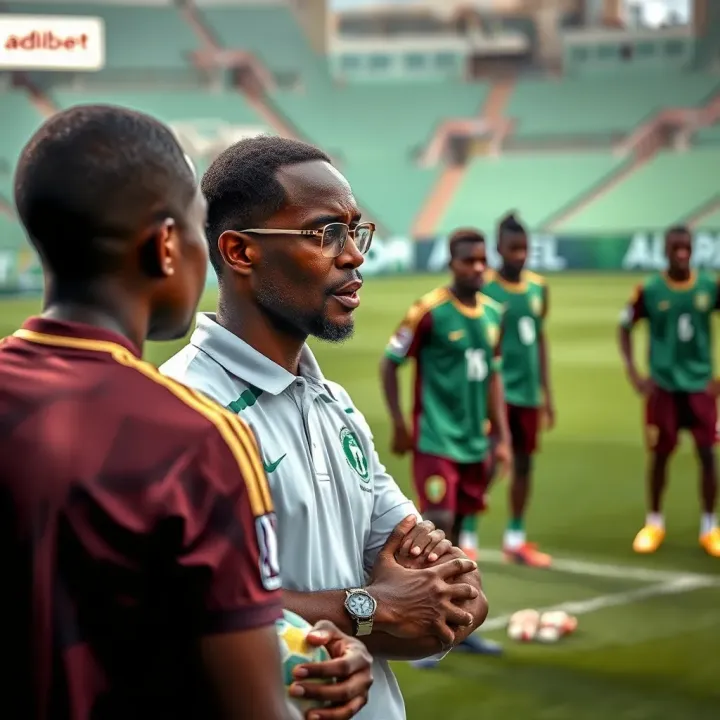
Today, the team symbolises much more than just football; it reflects Nigeria’s diversity and resilience. Football games involving the Super Eagles spark nationwide excitement, serving as occasions where sociocultural divides momentarily fade, united by shared hope and patriotism.
The Super Eagles have not only brought home trophies but also inspired generations, playing a vital role in talent development and national pride.
Understanding the Super Eagles requires appreciating key figures who shaped their journey — from legends like Rashidi Yekini and Nwankwo Kanu to modern stars like Victor Osimhen. Coaches have also played their part, influencing tactics and team spirit.
This article sheds light on the team’s historical milestones, its societal impact within Nigeria, and future prospects amid evolving challenges such as domestic league issues, administrative hurdles, and competition from emerging football nations.
Through a deep dive into their legacy and current dynamics, you'll gain valuable insight into how the Super Eagles continue to influence Nigerian football and what lies ahead for this celebrated team.
This overview aims to give sports bettors, account managers, tech users, compliance officers, and digital marketers both informative and practical takeaways about the Super Eagles’ role on and off the pitch.
Understanding the origins and early development of Nigeria's national football team is key to appreciating its current stature and challenges. These formative years shaped not only the team's identity but also laid the groundwork for Nigeria's football culture and its influence on the continent.
Establishment of the national team: In the late 1940s, football gained popularity in Nigeria, but it was not until 1949 that the country's first official national team, then known as the "UK Tourists", began to take shape. The Nigeria Football Federation, initially under colonial influence, organised the team primarily from local leagues, representing various regions. This early move was critical, as it gave Nigeria a platform to showcase talent on an international stage and fostered a sense of unity among the diverse ethnic groups.
Early opponents and results: Nigeria’s initial matches mostly involved other West African colonies, such as the Gold Coast (now Ghana) and Sierra Leone. These encounters were more than just games; they served as formative experiences, testing organisational skills and player capabilities. While early results were mixed, notable victories, like the 2-0 win over Sierra Leone in 1949, sparked optimism and drew public attention, helping football gain momentum nationwide.
Initial challenges in organisation and funding: In those early days, the national team faced a lack of structured administration and limited financial resources. Funding gaps meant players often supplied their own kits or travelled in difficult conditions. Disorganised league systems and poor infrastructure made scouting and training inconsistent. These challenges underscored the need for better governance, pushing local officials and football enthusiasts to develop clearer frameworks and secure sponsorship, which would be vital for the team's growth.
Development of football infrastructure: Post-independence Nigeria experienced efforts to build stadiums and training centres in key cities like Lagos and Enugu. The National Stadium in Lagos, opened in 1972, provided the Super Eagles with a proper home ground for matches and training. These investments not only improved players' facilities but also helped draw bigger crowds, enhancing the team’s popularity and corporate interest.
Participation in Africa Cup of Nations: Nigeria's first appearance in the Africa Cup of Nations (AFCON) came in 1963. Although initial performances were modest, by participating regularly, Nigeria gained valuable experience and exposure. This consistent involvement helped refine the team's tactics and competitiveness, preparing the way for future championships. The AFCON became a crucial arena for the country to measure itself against Africa's best.
Notable performances and milestones: The 1970s marked Nigeria's emergence as a strong footballing nation. Reaching the AFCON final in 1976, for example, showed the progress made since the team's origins. The decade also saw the rise of homegrown talents who became household names. These milestones boosted national pride and inspired younger generations to consider football as a professional pursuit, setting Nigeria on a path to becoming a continental heavyweight.
The early decades anchored Nigeria's football ambitions, addressing foundational challenges while fostering a passionate fanbase that remains loyal to this day.
Formation of the national team brought unity and identity fostering
Early international matches provided critical experience despite mixed results
Infrastructure growth post-independence enabled better training and fan engagement
Regular AFCON participation sharpened the team's competitive edge
Achievements in the 1970s inspired national pride and future talent development
Understanding these origins helps contextualise the Super Eagles' current achievements and ongoing challenges, making this section vital for followers and stakeholders of Nigerian football alike.
The Nigeria National Football Team's major achievements and international presence define its stature both within Africa and on the global stage. This section highlights key successes that have shaped Nigeria's football legacy, elevating its reputation and offering practical benefits such as attracting sponsorship, boosting national morale, and inspiring the next generation of players.
Nigeria first tasted continental glory by winning the African Cup of Nations (AFCON) in 1980. This breakthrough victory marked a turning point, demonstrating the team's potential to challenge established football powers like Egypt and Ghana. Practical benefits included momentum for domestic football growth and increased government support, which translated into better infrastructure and youth programmes.
Over the decades, the Super Eagles displayed periods of dominance interspersed with setbacks. Notably, they captured the AFCON trophy three times: 1980, 1994, and 2013. These wins were punctuated by near misses and disappointments, including early tournament exits and internal team disputes. Despite setbacks, Nigeria’s resilience kept them consistently competitive across the continent. This pattern allowed the team to stay relevant in African football circles, maintaining fan interest and attracting quality coaches and players.
Nigeria's repeated successes at AFCON boosted the country's football reputation significantly. They became known for their dynamic playing style and raw talent, challenging the traditional hierarchy in African football. This reputation opened doors for Nigerian players abroad, creating pathways into competitive leagues in Europe and Asia. For stakeholders like sports marketers and digital platforms, this elevated profile translates into opportunities for partnerships, merchandise sales, and content creation that taps into passionate fan bases.
The Super Eagles qualified for their first FIFA World Cup in 1994, a landmark achievement for Nigerian football. Their debut campaign exceeded expectations as Nigeria reached the Round of 16, a practical indicator of the team’s rising standards. Early participation put Nigeria on the world map and increased respect from pundits and opponents alike.
Several memorable moments pepper Nigeria’s World Cup history, such as Daniel Amokachi’s goals in 1994 and the thrilling matches against Argentina in 2018. These events reinforced national pride and boosted betting interests around Nigerian players and matches, impacting digital marketers focusing on sports betting and fan engagement.
However, challenges remain on the global stage. Issues like inconsistent preparation, administrative difficulties, and player availability have sometimes hampered Nigeria's progress. Globally, Nigeria must compete with better-funded teams and infrastructures. Understanding these challenges is key for managers and compliance officers aiming to improve team support structures and secure steady funding.
Nigeria’s crowning Olympic moment came in 1996 when the football team won gold in Atlanta. This achievement was the first of its kind for an African nation, underlining the tremendous potential within Nigeria’s youth ranks. The gold medal boosted investment interest in youth football systems nationally, offering a blueprint for sustained success.
Youth teams like the U-17 and U-20 sides have played crucial roles in maintaining Nigeria’s football pipeline. Their frequent wins at FIFA youth tournaments signal the depth of talent and provide practical benefits like scouting opportunities for clubs and sponsors. These youth sides nurture skills and match temperament necessary for senior-level success.
A successful transition from youth to senior teams remains critical. Many Olympic and youth stars such as Nwankwo Kanu and Jay-Jay Okocha later became pillars of the senior squad. However, inconsistency in this development pipeline poses challenges. To maximise talent retention, coordinated efforts in coaching, mentorship, and player welfare must intensify. For digital marketers and sports managers, promoting stories of emerging stars can build stronger fan bases and commercial prospects.
Nigeria's major achievements on African and global stages provide a foundation not only for pride but also significant commercial and developmental progress in football.
Nigeria won the African Cup of Nations three times, boosting its standing and investment appeal.
World Cup qualifications have carved out a competitive presence but highlighted organisational gaps.
The 1996 Olympic gold galvanized youth development, crucial for sustainable success.
Continued focus on youth-to-senior transitions is necessary for future victories and economic opportunities.
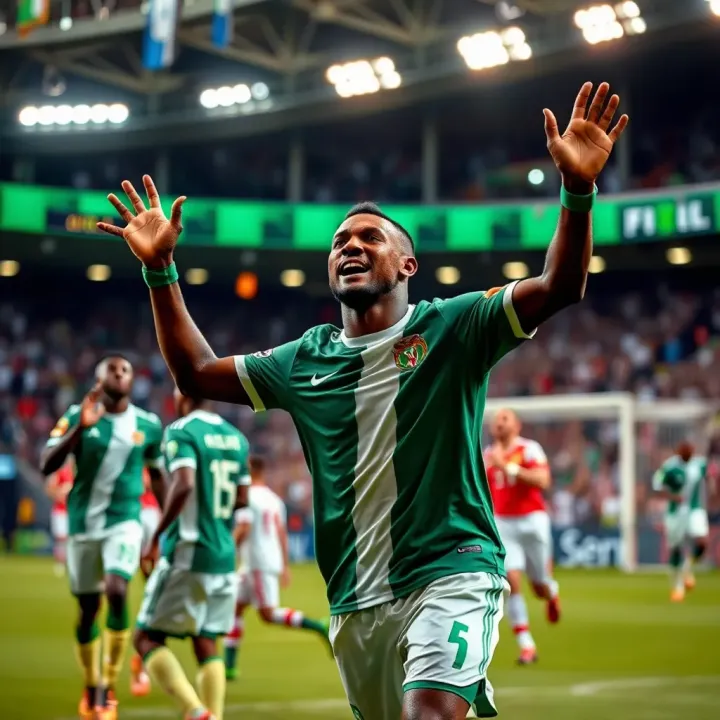
These milestones remain critical for anyone interested in sports betting, talent management, or sports marketing centred on Nigerian football.
The Nigeria National Football Team, commonly known as the Super Eagles, owes much of its reputation and success to the influential players who have worn its colours. Understanding these players and their contributions sheds light on how the team’s identity and performance evolved over time. This section highlights not only the legends of the past but also the brightest talents shaping the present and future of Nigerian football.
Icons like Rashidi Yekini, Jay-Jay Okocha, and Nwankwo Kanu stand out for their exceptional skill and leadership, helping Nigeria claim major trophies. Yekini’s goals during the 1994 Africa Cup of Nations campaign were crucial, securing Nigeria's first-ever title. Okocha, with his flair and creativity, became a symbol of Nigeria’s exciting style of play internationally, while Kanu’s versatility and calm under pressure delivered vital moments on global stages such as the FIFA World Cup and the Olympics.
These legends shaped not just the results but also the team’s culture, blending physicality with technical elegance. Their influence shifted Nigeria’s style towards dynamic attacking football, inspiring younger generations. This approach emphasises quick footwork, intelligent passing, and creative midfield play, setting Nigeria apart on the African continent and globally. The enduring legacy is a team known for resilience and flair that thrills fans at home and abroad.
Outside the field, these players have contributed to Nigerian football’s development through mentorship and philanthropy. Okocha, for instance, has been involved in youth football training programmes, passing his expertise to upcoming players. Kanu’s charitable foundation supports education and health initiatives, showing how football icons can influence society positively. Their reputations attract sponsorships and boost the team’s profile internationally, valuable for sustaining progress.
Today’s Super Eagles feature talents like Ahmed Musa, Wilfred Ndidi, and Terem Moffi, who bring a mix of experience and youthful energy. Musa remains one of Nigeria’s top scorers, while Ndidi’s defensive solidity strengthens the midfield. Emerging stars such as Moffi represent a promising wave ready to take on bigger challenges. Their blend of local league experience and exposure to European clubs adds depth and adaptability.
These players have shown solid performances in qualifiers and friendlies, contributing goals, assists, and tactical discipline. For example, Musa’s calm in front of goal helped Nigeria secure vital wins in recent Africa Cup of Nations qualifiers. Ndidi’s interceptions and passing accuracy have been key in controlling matches, keeping the team balanced. Their presence boosts confidence, encouraging team cohesion on the pitch.
Looking forward, young players like Samuel Chukwueze and Victor Osimhen are stepping up as potential captains and key influencers. Their speed, technical skill, and professional attitude signal readiness to lead both on and off the pitch. Developing leadership qualities within the squad ensures continuity and stability for the Super Eagles. Grooming such talents is essential for Nigeria’s ambition to compete strongly in future international competitions.
Influential players form the backbone of Nigeria’s football story, merging past glories with future aspirations through their performances and off-pitch roles. Their impact is vital for the Super Eagles’ ongoing success and contribution to Nigerian football culture.
Key past players include Rashidi Yekini, Jay-Jay Okocha, and Nwankwo Kanu
Present squad blends experience with emerging young talents like Terem Moffi
Off-pitch legacies enhance youth development and community support
Emerging leaders promise sustained quality and team unity
Understanding these players’ stories offers valuable insights for sports strategists, digital marketers promoting football brands, and compliance officers overseeing athlete contracts and endorsements. It highlights how individual excellence ties to broader team success and commercial growth.
Coaching and management are at the heart of any successful football team, and for Nigeria's Super Eagles, they shape not only on-field tactics but also off-field organisation. Effective coaching gives players the guidance they need to perform and adapt, while solid management ensures resources and support systems are in place for sustained success.
The influence of both Nigerian and foreign coaches has been pivotal in shaping the Super Eagles over the years. Nigerian coaches like Clemens Westerhof helped build a strong foundation during the 1990s, steering the team to its first FIFA World Cup qualification in 1994. On the other hand, foreign coaches such as Gernot Rohr brought a disciplined European approach that improved team structure and fitness levels. Combining local knowledge with international experience offers practical benefits, such as blending Nigeria's natural flair with tactical rigour.
Tactically, the team has evolved from a strictly attack-minded style in earlier decades to a more balanced approach. In the 1980s and 1990s, the focus was on quick, creative wing play and individual skill, which dazzled many opponents. However, as global football tactics advanced, Nigerian coaches introduced better defensive organisation and pressing strategies. This shift reflects in recent campaigns, where Nigeria adopted a more structured formation, aiming to compete tactically at the highest level.
Coaching in Nigeria has not been without controversies or success stories. For instance, disagreements between coaches and the Nigeria Football Federation (NFF) often disrupted preparations, affecting performance. Yet, successes like the 2013 Africa Cup of Nations runner-up finish under Stephen Keshi highlight how effective leadership can galvanise the squad. Understanding these ups and downs offers insights into improving coaching stability and career longevity for trainers.
The Nigeria Football Federation (NFF) is the primary body responsible for managing the national team. Its role spans from organising fixtures and coach appointments to liaising with international football bodies like CAF and FIFA. A well-functioning NFF ensures the team benefits from sound governance, maintaining standards that allow the players to focus on performance.
However, funding and resource allocation remain challenges. Despite substantial sponsorship deals from telecommunications companies and banks, reports of delayed payments to players and insufficient training facilities persist. Efficient resource management would improve player welfare and enhance preparation, crucial for maintaining Nigeria’s competitive edge.
The relationship between the NFF, players, and fans plays a significant role in sustaining enthusiasm and team morale. The NFF’s ability to communicate transparently and engage with both players and supporters influences public trust. For example, timely updates during tournament qualifiers help reduce speculation, while players motivated by fan support tend to perform better. Such synergy fosters a healthy football environment in Nigeria.
Strong coaching paired with effective management lays the foundation for the Super Eagles’ continued success and growth.
By understanding these coaching and management dynamics, stakeholders can better appreciate what drives the team and what needs improvement to secure a brighter future.
The Nigeria national football team, known as the Super Eagles, faces several pressing challenges impacting their performance and sustainability. These obstacles not only affect match outcomes but also the broader development of football in Nigeria. Discussing these issues offers insight into the gaps that stakeholders must address to restore and maintain the team’s competitive edge on global stages.
Sponsorship gaps and funding shortfalls have strained the Super Eagles’ operations over the years. Unlike top European or South American teams enjoying multi-million dollar sponsorship deals, Nigeria’s team often grapples with inconsistent funding. For instance, delays in sponsorship payments or budget allocations by the Nigeria Football Federation (NFF) hinder timely preparations and equipment upgrades. This unpredictability affects everything from training camps to marketing efforts that could bolster fan engagement and revenue.
Travel and accommodation problems further complicate the team’s readiness, especially during international fixtures. There have been reported cases where players landed late due to poor flight arrangements or stayed in substandard hotels, adversely impacting rest and recovery. Such logistical lapses became more obvious during the qualification rounds for recent Africa Cup of Nations (AFCON) tournaments, where improper planning disrupted players’ routines. It’s not uncommon for players to complain about long layovers or inadequate training facilities in some host countries.
These financial and logistic shortcomings have a clear impact on player readiness and performance. Fatigue from poor travel conditions and subpar accommodations sap energy and focus, while uncertainty about resources weighs on the squad’s morale. Even veteran players have voiced concerns about how these factors undermine their ability to train effectively or execute match strategies. The cumulative effect is often reflected in inconsistent performances during crucial qualifiers and friendlies, which are vital for building confidence ahead of major tournaments.
The presence of Nigerian-origin players in foreign leagues is a double-edged sword for the national team. Players opting for other national teams represent a significant challenge. For example, talents raised overseas sometimes choose to represent countries like England, Belgium, or the Netherlands, attracted by better infrastructures or clearer career progression routes. These losses reduce the pool of quality players available to the Super Eagles and complicate scouting efforts within Nigeria.
Challenges of integrating foreign-based players make team assembly tougher. Players scattered across European or Asian leagues face varied coaching styles and tactical demands, which do not always sync well when they converge under the Nigerian national setup. Moreover, logistics surrounding their release from clubs during international windows sometimes cause tension between players, NFF, and foreign clubs.
Such factors have direct effects on team cohesion. The blend of locally based and foreign-based players may result in mismatched playing styles or communication gaps. These issues are evident during brief international camps, where limited time restricts tactical unity. Recent AFCON tournaments highlighted moments when coordination breakdowns cost Nigeria precious points, underscoring how cohesion remains an ongoing concern.
Addressing financial constraints and nurturing homegrown talents alongside diaspora stars are key to the Super Eagles’ ambitions. Without tackling these problems, Nigeria risks falling behind its African peers who continue to invest wisely in all facets of their football systems.
To sum up, while the Super Eagles carry a proud history, current challenges in funding, logistics, and player management must be resolved to ensure long-term success and sustainability for Nigeria football.
Football stands as one of the rare forces that cut across Nigeria’s ethnic and religious divides. The Super Eagles’ matches often galvanise millions who, during game time, set aside political, tribal, and social differences to rally behind a single cause. This unifying power has been visible severally, especially during major tournaments like the Africa Cup of Nations and the FIFA World Cup, where celebrations sweep from Lagos to Kano and Port Harcourt to Maiduguri.
Public celebrations following key victories turn cities into spontaneous festivals. Streets fill up with joyous supporters adorned in green-white-green, blaring music, and sharing food from local mama puts. These moments boost community spirit and provide a shared sense of achievement, even during tough economic times. Such social impacts extend beyond merriment, fostering a feeling of belonging and hope among Nigerians.
Representing Nigeria on the world stage is more than just sporting achievement; it’s about showcasing the country’s resilience and talents globally. When the Super Eagles perform well internationally, it elevates Nigeria’s image, challenging negative perceptions abroad. The team’s presence in global competitions like the FIFA World Cup opens doors for Nigerian players to secure contracts with foreign clubs, indirectly boosting the economy and inspiring youth nationwide. This pride of international recognition breeds motivation among young talents, signalling that success is attainable even beyond domestic borders.
Match days bring a tangible boost to local economies, especially in areas around stadiums and popular viewing centres. Businesses such as eateries, bars, and transport services see increased patronage as fans gather to watch games. For instance, during the 2018 World Cup, sales of food items like suya, chilled drinks, and snacks surged significantly in Abuja and Lagos. This spike helps small business owners and informal traders earn extra incomes.
Merchandising plays a growing role in the team’s economic impact. Official jerseys, scarves, and memorabilia generate sizeable revenues for the Nigeria Football Federation and partnered brands. Sponsorship deals with companies like GTBank, Guinness Nigeria, and Nike not only fund team activities but also fuel marketing campaigns that elevate the football culture nationwide. These partnerships ensure steady cash flow, crucial for sustaining the team’s operations and grassroots programmes.
The Super Eagles’ success also reflects on Nigerian football leagues by raising interest and investment at the local level. When the national team shines, more fans turn their attention to the Nigerian Professional Football League (NPFL), increasing attendance and media coverage. Sponsors become more willing to back clubs, seeing potential in football as a commercial platform. Over time, this trickles down to improved player development and infrastructural upgrades, ultimately strengthening the entire football ecosystem in Nigeria.
The Super Eagles are not just a football team; they represent national unity, economic opportunity, and Nigeria’s place in global sports. Their impact reaches far beyond the pitch, touching lives and livelihoods across the country.
Looking ahead at the Nigeria National Football Team's prospects is key to understanding where the Super Eagles are headed on the global stage. This forward glance highlights upcoming challenges and opportunities, helping fans, sports bettors, and stakeholders adjust expectations and strategies. Consider it as planning for the next big race — knowing which tournaments lie ahead and the team's preparedness can mean the difference between victory and disappointment.
Nigeria’s path to the FIFA World Cup always captures national attention. After missing out on some recent editions, the qualifying rounds serve as a critical litmus test for the team’s form and tactical maturity. Every qualifying campaign presents tough fixtures against other African nations hungry for a spot at the global event. Successful qualification not only boosts national pride but also brings significant commercial rewards and international exposure for players.
To stay competitive, Nigeria needs to harness its blend of local and foreign-based talents effectively. For example, the 2018 World Cup saw players from top European leagues leading the squad, but cohesion sometimes fell short. The next cycle will test Nigeria’s ability to balance experienced stars with fresh talents emerging from the domestic league or youth teams.
The Africa Cup of Nations (AFCON) remains the stage where Nigeria can assert continental dominance. Historically, the Super Eagles have either contended or fallen short due to various internal and external factors. Preparing for AFCON comes with managing Nigeria’s diverse playing conditions across Africa and ensuring physical readiness amidst a packed football calendar.
Practical relevance lies in how AFCON success can impact the local football scene — livelier leagues, better sponsorship deals, and revitalised fan engagement. Also, consistent performances here set a foundation for World Cup readiness, giving the team match practice in pressure situations against familiar rivals.
Youth tournaments like the U-20 and U-17 Africa Cup of Nations are breeding grounds for future Super Eagles. Nigeria’s history in these youth shows is impressive, with successes often signalling promise for the senior team.
The value of focusing on youth championships extends beyond winning trophies. It’s about scouting, nurturing, and exposing young talents to competitive football early. Take the 2015 U-17 World Cup win — many players later transitioned into the senior squad, strengthening it significantly. Hence, successful youth campaigns are an investment in long-term team stability.
Grassroots football is the foundation of Nigeria’s football future. Without steady investment here, the talent pipeline risks drying up. This includes funding local clubs, improving youth academies, and providing better training facilities in towns and rural areas.
Practical steps involve the Nigeria Football Federation (NFF) partnering with state governments and private investors to fund scouting programmes and tournaments at the grassroots level. This way, hidden talents get a platform, while community engagement with football deepens.
Modern coaching techniques and enhanced infrastructure are hot topics. Nigerian football’s progress often stumbles on inadequate training facilities and outdated tactics. Upgrading stadiums, training centres, and introducing continuous coach education programmes can bring qualitative change.
For instance, implementing video analysis and sports science in coaching could enhance player performance and injury management. Countries like Morocco have benefited from such investments and seen improvements in African competitions. Nigeria can tap into these lessons to stay competitive.
A sustainable legacy demands clear, long-term policies that align with Nigeria’s football ambitions. This includes strategic plans for talent development, funding mechanisms, and partnerships with global football bodies.
Authorities should prioritise building strong grassroots leagues, ensuring transparent funding channels, and creating platforms for women and disabled footballers. Stability in management, coupled with accountability, will reduce wastage and build confidence among players and fans alike.
A well-planned future rooted in grassroots investment and better coaching offers Nigeria’s Super Eagles the best chance to soar on both African and global football stages.
With these prospects in sight, everyone following Nigerian football has reasons to stay hopeful and engaged.
⚽ Discover Adibet football predictions today tailored for Nigerian bettors. Get reliable insights, smart strategies, and tips to up your betting game responsibly. 📊

⚽ Get sharp insights on football prediction today. Learn to navigate expert tips, team form, player updates, and smart tech tools for better match forecasts in Naija.

Discover how AdiBet serves Nigerian sports lovers with easy registration, diverse bets, secure payments, and regulation 🏆⚽ enjoy betting responsibly and smartly in Nigeria!
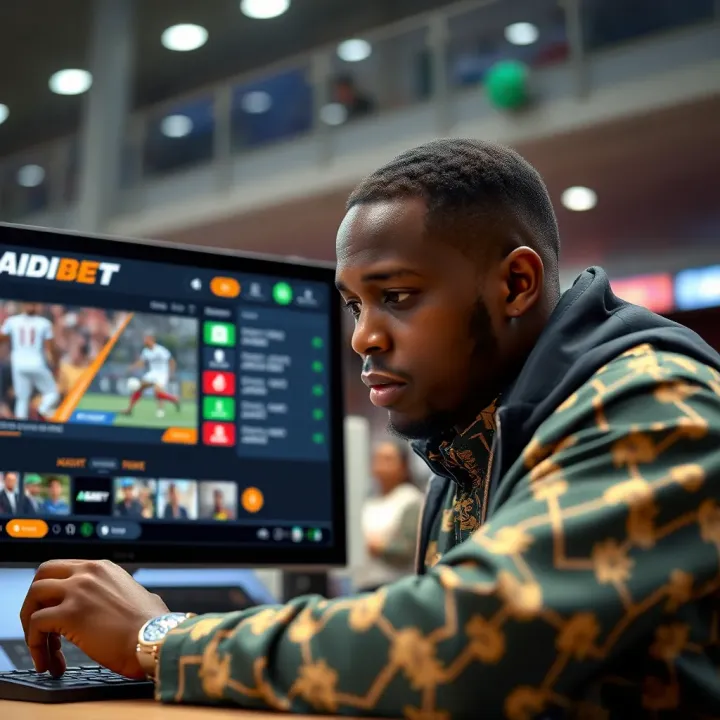
📲 Learn how to register for AdiBet and explore its user-friendly platform for diverse bets in Nigeria. Manage your ₦ safely, withdraw smoothly, and bet wisely today!
Based on 11 reviews