

How to Update Your KYC on AdiBet Easily
🔍 Learn how to update your KYC info on AdiBet hassle-free! Step-by-step guide, common challenges, and tips to keep your betting account smooth and verified. 🎯
Edited By
David Adebayo
Adibet’s KYC (Know Your Customer) verification is a vital step for Nigerian users aiming to bet safely and legally on the platform. It helps confirm your identity and protects both you and Adibet from fraud or illegal activity. However, some users find their KYC applications rejected or delayed, which can be frustrating.
Several factors cause KYC rejections on Adibet, but these issues are mostly avoidable once you understand what the platform expects. First, the documents submitted must be clear and valid. For example, Nigerian users usually need to provide a valid national ID, International Passport, Driver’s Licence, or NIN (National Identification Number) slip. Submitting expired, damaged, or unclear copies often leads to automatic refusal.
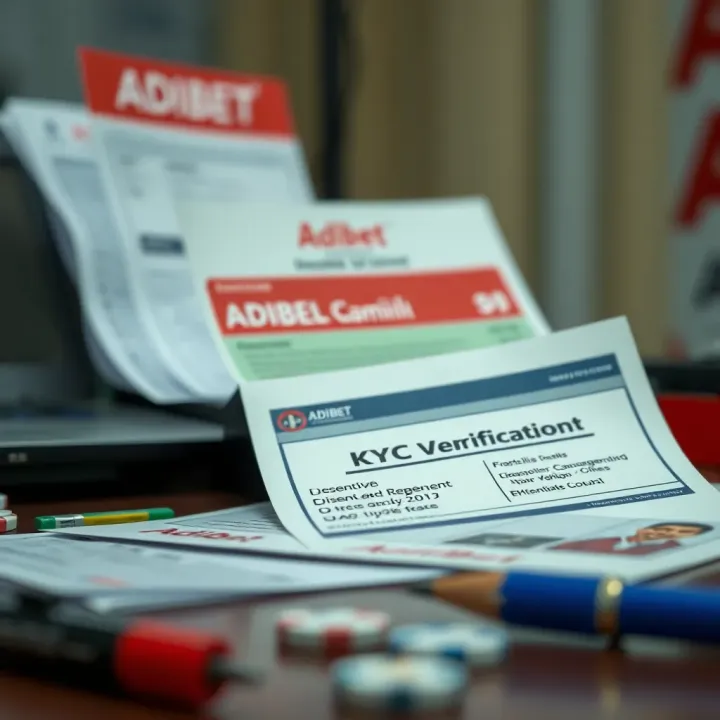
Secondly, the information you provide during the registration must exactly match what appears on your documents. Any spelling errors, date mismatches, or incomplete details trigger red flags. For instance, if you write "Michael" but your ID says "Micheal," this mismatch can cause a verification failure.
Poor-quality photos or scans also delay approval. Blurry pictures, shadows, or scanning only parts of the document make it impossible for the system or humans to verify your identity properly. Make sure to take well-lit, full-frame pictures against a plain background.
Another reason for rejection is submitting irrelevant documents or mixing them up. Some users try to upload utility bills or bank statements as their primary ID, but Adibet requires government-issued IDs for KYC. This mistake leads to rejection or requests to resend proper documents.
Lastly, incomplete KYC submissions where crucial fields are left blank stall the process. Filling every required field with correct data and double-checking before submission reduces chances of rejection.
Remember, verifying your Adibet KYC starts with accuracy and clarity in both your documents and data. Taking your time here pays off with quicker approvals and uninterrupted access.
Using outdated or expired ID cards
Uploading low-resolution photos
Entering personal details that differ from official documents
Submitting unrelated documents
Leaving key fields empty
Addressing these points systematically explains why your Adibet KYC might not be approved — avoiding these mistakes saves you time and ensures a smoother betting experience.
In the next sections, we will explore practical tips on how to submit correctly, what documents are best accepted, and how to handle delays or outright rejections effectively.
Getting a clear picture of the Adibet KYC (Know Your Customer) process is essential, especially for Nigerian users looking to bet safely and legitimately. This process ensures that Adibet can confirm the identity of its users, helping to protect both the platform and bettors from fraud or illegal activities. Understanding this process makes it easier to navigate and avoid common pitfalls that lead to rejection.
Adibet requires KYC verification to comply with Nigeria's regulatory standards and industry best practices. The main goal is to verify that users are who they claim to be, preventing underage gambling, money laundering, and other fraudulent actions. For instance, if a user submits valid identification, Adibet confirms their age and identity before allowing a betting account to operate fully. This builds trust and secures the platform for all users.
Completing the KYC process on Adibet is straightforward but demands attention to detail. Typically, it involves:
Uploading means of identification: This could be your National Identification Number (NIN) card, International Passport, or Driver’s Licence.
Providing proof of address: Documents like a recent utility bill or bank statement that shows your residential address.
Submitting a clear selfie or live photo: To match the identity document for facial verification.
Filling out personal details: Including your full name, date of birth, and contact details as they appear on your ID.
Each step should be done carefully to avoid delays. For example, blurry photos or mismatched names can immediately lead to rejection.
For a smooth approval, having the right documents ready is vital. Adibet usually accepts:
National Identity Card (NIN): This is the primary identity proof preferred for Nigerians.
International Passport: Expiry date must be valid.
Driver’s Licence: A recognised government-issued driver’s licence.
Proof of Residence: Recent utility bill (not older than three months), bank statement, or tenancy agreement.
Take note that all documents must be clear, fully visible, and unaltered. For example, submitting a scanned copy of a faded driver’s licence or a utility bill with missing details could cause your KYC to stall. It helps to double-check that all edges of the documents are in frame and the information can be read without strain.
Ensuring accuracy and clarity in your KYC submission can significantly boost your chances of swift approval, allowing you to enjoy uninterrupted betting on Adibet.

Understanding these basics will equip you with the knowledge to handle your KYC process without stress or confusion, reducing the chances of your verification being declined.
Understanding why your Adibet KYC might be rejected is key to getting past the verification hurdle swiftly. Ignorance of these common pitfalls can cause unnecessary frustration and delay, especially for active bettors who need uninterrupted access. Reviewing typical causes helps you prepare better and avoid mistakes that lead to rejection.
One major cause of rejection is sending documents that are either incomplete or not the ones requested. For example, submitting a utility bill without your name or an expired identification document often results in automatic rejection. Adibet requires specific forms of ID like a valid national ID card, passport, or driver’s licence, and any deviation from these can stall the process. Always double-check that every page, photo, or side requested by Adibet is included, as missing even a single page can count as incomplete submission.
Even if you submit the right documents, poor image quality can work against you. Blurry photos, bad lighting, or parts of the document being cut off make it hard for the verification agents to confirm your identity. For example, a photo of your driver’s licence taken in a dim room with shadows obscuring key details will likely be rejected. To avoid this, use natural daylight or a well-lit room, ensure the entire document fits in the frame, and avoid any reflections or glare.
A common snag happens when the details you submit during KYC do not match those on your registered Adibet profile or the documents. This could mean a mismatch in your full name, date of birth, or residential address. For instance, if your Adibet account says Lagos as your location but your document shows another state or city, your KYC will probably be flagged. Always ensure your profile information is updated and exactly matches what’s on your documents to prevent this issue.
Adibet’s system is designed to spot past suspicious transactions, and if your account or linked details have previously shown signs of fraud or rule breaches, your KYC will be declined. This includes multiple account creations, inconsistent financial behaviour on payments, or associations with blacklisted identities. In such cases, users may face longer verification times or outright refusals, making it crucial to maintain clean account records and avoid risky behaviour.
Taking time to address these common rejection causes not only speeds up your KYC approval but also safeguards your account’s integrity on Adibet.
Knowing these specific reasons empowers you to submit your KYC correctly the first time, reducing waiting periods and allowing you to focus on your betting strategies rather than paperwork setbacks.
Resolving KYC challenges on Adibet is key if you want to fully enjoy betting without interruptions. Your verification hinges on clear, accurate info and documents. By addressing common hiccups quickly, you save time and prevent repeated rejections. This section explains concrete steps you can take to fix issues and get your KYC approved promptly.
Clear documents make a big difference. If your ID images are blurry or poorly lit, Adibet’s system may reject them outright. Use natural daylight or a well-lit room to snap photos. Avoid shadows or reflections that obscure details. Also, ensure all text is readable — for example, your name, date of birth, and expiry date on your driver's licence or national ID should be sharp. Avoid cropping key parts of your documents; submit full pages or cards as required. If you scan, aim for 300 dpi or higher to keep details crisp.
Besides clarity, accuracy matters. Submit original documents only, not photocopies or digitally altered images. The document should also be current. Nigerian regulations require valid government-issued IDs, such as your National Identification Number (NIN) slip, driver's licence, or international passport. Expired IDs almost always lead to rejection, so double-check expiry dates before sending.
Mismatch between your Adibet profile details and your documents is a common cause of KYC rejection. For instance, if your profile says “Tunde Adebayo”, but your submitted ID shows “Tunde Oluwaseun Adebayo”, verification might fail. Consistency is essential: names, dates of birth, and sometimes addresses should exactly match.
If you recently changed your name or details, ensure your account is updated before submitting KYC documents. It's useful to check all spellings carefully; small errors like missing letters or swapped characters could stall approval. Also, make sure the phone number and email on your profile correspond to your current contacts to ease any follow-up from Adibet.
If you’ve confirmed your documents are clear and match your profile but still face rejection, it might be time to reach out to Adibet support. Sometimes, manual review highlights issues that automated checks miss. Customer service can clarify what went wrong and guide you on next steps.
Additionally, if your KYC is taking unusually long or you don’t receive updates after submission, contacting support ensures your case isn’t lost in the system. Use official communication channels such as the Adibet app or their verified email for this — avoid social media direct messages for sensitive information.
Remember, patience and careful attention to detail are your best tools when navigating KYC challenges on Adibet. Clear documents and consistent info boost your chance of swift approval, while timely support queries help resolve persistent issues.
When your Adibet KYC (Know Your Customer) verification faces delay or repeated rejection, it can disrupt your betting activities and cause unnecessary frustration. This section addresses practical steps to handle such situations effectively, ensuring your account gets verified as quickly as possible. Understanding the common causes of delays and knowing how to respond to multiple rejections will save you time and reduce unnecessary back-and-forth with customer support.
KYC verification on Adibet may be slower than expected for several reasons. First, high traffic or increased user submissions can strain the verification team’s capacity, especially during popular sporting events or ember months when more users register. For example, a surge in new accounts around the FIFA World Cup could cause processing times to stretch beyond the usual 24-48 hours.
Technical glitches also contribute to delays. System maintenance or network issues within Adibet's platform or the Nigerian internet infrastructure may cause your document upload to either fail or not reach the review team immediately. Additionally, if your submitted documents require manual verification—like unclear images or mismatching information—the process naturally takes longer.
Another factor is compliance screening. Adibet must follow Nigerian regulations enforced by bodies like the Nigerian Communications Commission (NCC) and the Central Bank of Nigeria (CBN). Suspicious activity flags or entries that need cross-checking against KYC databases such as the Bank Verification Number (BVN) system can add days to your approval process.
If your KYC is declined several times, begin by reviewing the feedback provided carefully. Many rejection cases boil down to simple mistakes such as blurry photos, expired IDs, or mismatches between your profile data and submitted documents. Rectify these errors before resubmitting.
Ensure the uploaded documents are crisp, clear, and cover all necessary details like name, date of birth, and expiry dates. For example, if your national identity card scanned image is unclear, use natural daylight to retake the photo rather than relying on indoor lighting or flash that can cause glare.
Check that your Adibet profile matches exactly with your KYC documents. Variations like using a nickname or an abbreviation instead of your full legal name often cause rejects. If you notice mismatches, update your profile details or obtain new supporting documents.
If correcting errors does not resolve the problem, contact Adibet’s customer support promptly. Explain your situation clearly and ask for specific reasons behind rejections. In some cases, a more detailed scrutiny or escalated review by the compliance team may be necessary.
Patience is vital here, but proactive communication and careful adherence to document requirements can drastically shorten delays and prevent repeated rejections.
Lastly, avoid submitting multiple contradictory documents in a single application as this may confuse the review process. Stick to the official, valid documents recognised by the Nigerian regulatory framework.
By understanding why KYC delays happen and following these practical steps, you increase your chances of swift approval on Adibet, enabling uninterrupted access to betting activities and withdrawals.
Completing your KYC (Know Your Customer) on Adibet is more than just ticking a box — it's a legal and operational necessity that ensures your betting activities remain smooth and secure. Nigerian users face unique regulatory and practical challenges, so understanding the importance of KYC is vital if you want to avoid delays or account restrictions.
The Central Bank of Nigeria (CBN) and Nigerian Communications Commission (NCC) have strict rules about verifying customer identities for online platforms, including sports betting sites like Adibet. KYC helps prevent money laundering, fraud, and underage gambling, all of which are significant concerns for regulators. For example, failing to submit a proper Bank Verification Number (BVN) or National Identification Number (NIN) during the KYC process can lead to automatic rejection, as these documents confirm your identity within Nigerian financial and government systems.
Adibet must comply with these regulations to operate legally. If they fail to enforce KYC properly, they risk penalties, which can also affect your access to funds and winnings. So, it isn’t only about your account—this process helps maintain a safer betting ecosystem across Nigeria.
Once your KYC is approved, several perks unfold that enhance how you use Adibet. Firstly, it allows you to withdraw winnings without hassle. Users often complain about delayed payouts when their accounts lack proper verification; completing KYC removes this bottleneck.
Secondly, your betting limits usually increase after KYC approval. This means you can place higher bets or take part in exclusive promotions that non-verified accounts can't access. For instance, some special jackpot games or higher stakes pools require verification first due to regulatory safeguards.
Moreover, Adibet can offer better customer support when your identity is confirmed. If you face disputes or account issues, proven verification speeds up resolution times.
Lastly, KYC approval protects you against fraud. With your verified identity tied to your account, scammers find it harder to impersonate or access your betting wallet.
Taking the time to complete your KYC on Adibet isn’t just formality—it's the key to unlocking a safer, more flexible, and faster betting experience.
In summary, Nigerian bettors should treat KYC on Adibet as a must-do step. It aligns you with Nigerian laws, improves your account’s capabilities, ensures quick access to winnings, and safeguards your funds against fraud. If your KYC submission fails, revisiting the process promptly saves you from unnecessary stress and missed opportunities in your betting journey.
🔍 Learn how to update your KYC info on AdiBet hassle-free! Step-by-step guide, common challenges, and tips to keep your betting account smooth and verified. 🎯

Discover what 1UP means on Adibet 🎲, how it affects your betting, and how to use it well to boost your chances of winning big ₦ on Nigeria's top betting platform.

Learn how to register on Adibet, a top Nigerian betting site 🎰. Step-by-step account setup, ID verification, payment methods, security tips 🔒 & support info 📞.
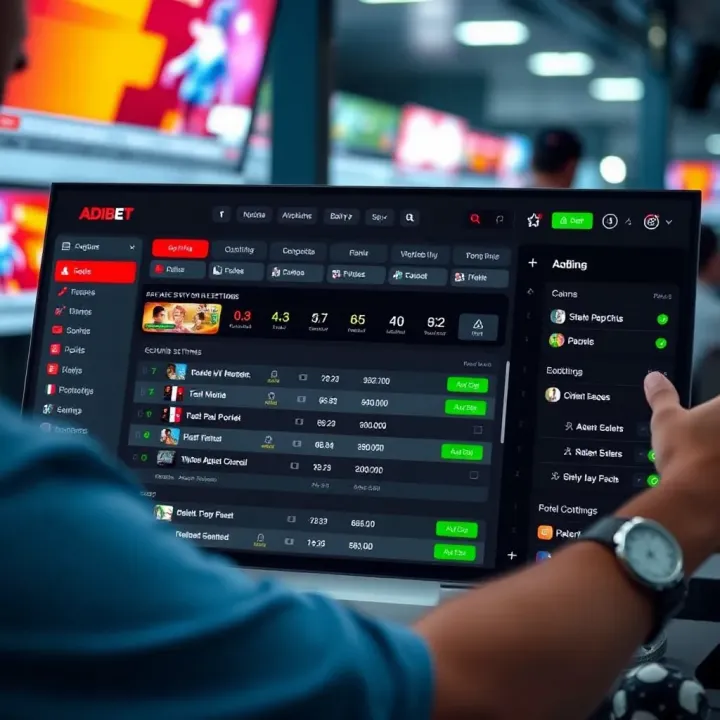
🎯 Learn how to access and navigate AdiBet easily. This guide covers login steps, registration, troubleshooting, and tips for safe betting on Nigeria's top platform 🏆
Based on 6 reviews