
Adibet World Cup Predictions for Tomorrow’s Matches
⚽ Discover Adibet’s World Cup predictions for tomorrow’s matches 🇳🇬. Get expert insights, team analysis, and betting tips tailored for Nigerian punters to boost your ₦ stakes!
Edited By
Emma Radcliffe
When it comes to World Cup qualifier fixtures, understanding the schedule and format is key for anyone keen on following or analysing these games closely. The qualifiers determine which countries secure their spots in the FIFA World Cup, making every match highly competitive and consequential.
Each continent organises its qualifiers under the Confederation of African Football (CAF), Union of European Football Associations (UEFA), Asian Football Confederation (AFC), and others. For Nigerian and West African fans, the focus is mostly on CAF’s qualifiers, which typically run over several months and consist of group stages followed by knockout rounds.

Here are some essentials to keep in mind:
Fixture Scheduling: Matches are scheduled across international breaks, often influenced by local league calendars and travel logistics. For example, Nigeria might face varied timing challenges due to busy local league fixtures and air travel from Lagos to other African capitals.
Match Format: Qualifiers are typically played in home-and-away legs, which means each team hosts and travels. This balances the home advantage but demands efficient team management and recovery.
Regional Differences: CAF qualifiers often have a preliminary knockout round before group stages, unlike UEFA's longer group formats. This impacts how quickly teams progress and how they strategise for each match.
Key Fixtures to Watch: Matches between traditional rivals like Nigeria vs Ghana or Egypt vs Algeria tend to be highly charged and shape the qualification landscape.
Following the fixtures closely helps bettors and marketers predict match outcomes and plan campaigns accordingly. Account managers in sports agencies also use fixture info to advise clients on player availability and match value.
Where to Follow Updates: Local sports channels, official football federation sites, and apps like SuperSport provide live updates. For tech-savvy users, social media handles of federations and live score apps are invaluable.
Impact of Scheduling on Performance: Teams travelling long distances with little rest often show dips in performance. For instance, a Nigerian squad playing back-to-back matches in northern Africa might struggle physically compared to an opponent staying local.
In sum, keeping tabs on fixture lists, understanding their format, and noting key matchups will give you a clearer picture of the World Cup qualifiers. This is especially helpful for those in sports betting, marketing, or team management looking to maximise their operations during this football season.
Scheduling World Cup qualifier fixtures is a complex process with direct effects on teams, players, and fans. For Nigerian football fans and stakeholders, understanding how these fixtures are set helps grasp why matches happen when they do and the challenges behind the scenes. Well-planned scheduling ensures fairness, adequate rest, and logistics management, crucial for keeping the qualifiers meaningful and competitive.
FIFA sets the official international match calendar, defining specific periods, or “match windows,” when qualifiers and other international matches can occur. This calendar ensures member nations play within designated times to avoid clashes with domestic leagues. For instance, FIFA’s calendar reserves breaks in September, October, and November for qualifiers. Without this, Nigerian clubs and players would struggle with conflicting match duties. FIFA also provides broader guidelines on maximum matches per window and rest periods.
Continental confederations like the Confederation of African Football (CAF) and Union of European Football Associations (UEFA) adapt FIFA’s calendar for regional qualifiers. CAF, for example, organises Africa’s qualifying rounds over multiple match days, balancing group stages and knockout phases. UEFA schedules fixtures considering their own domestic league calendars, winter weather, and travel demands across Europe. CONMEBOL employs a round-robin system, requiring continuous planning to space 18 rounds over nearly two years. These bodies ensure their fixtures fit both FIFA’s window and regional realities.
National associations such as the Nigeria Football Federation (NFF) coordinate locally by confirming fixture dates, venues, and logistics within FIFA and CAF’s framework. They must liaise with clubs over player availability, reserve stadiums, and arrange security. For example, the NFF ensures qualifier home games in Abuja or Lagos are scheduled with time for pitch preparation and fan management. These associations also handle any adjustments when unexpected events like weather disruptions or political unrest arise.
International breaks are those few weeks when club competitions pause to allow players to join national teams. They follow FIFA’s established calendar and usually happen three or four times annually. These breaks keep the qualifiers running smoothly, ensuring players can travel without affecting their club commitments too severely. It is common for Premier League clubs to lose Nigerian internationals during these breaks, but it is understood as part of the system.
Unlike other tournaments, World Cup qualifiers extend over many months, often spanning one to two years. African qualifiers, for example, are normally spread out in stages across the two years before the World Cup. This spacing allows teams to recover, adjust squads, and grow chemistry gradually. However, it also means that the form or injuries can fluctuate drastically over the qualifying cycle, affecting team consistency and fan expectations.
Scheduling gets tricky because teams must travel long distances crossing time zones, climates, and cultures. Nigerian teams playing South American sides face long flights and jet lag, requiring careful fixture placement for better recovery. Coordinating schedules to align with different domestic league calendars and weather patterns globally is another headache. For example, arranging matches during rainy seasons in Nigeria or winter in Europe demands foresight. This complex web is a puzzle that FIFA, confederations, and national bodies strive to solve every cycle.
Well-structured scheduling is the backbone of World Cup qualifiers, balancing competitive needs with player welfare and logistical realities across continents. Knowing this process helps fans, bettors, and managers appreciate what goes on beyond the pitch.
Key Takeaway: FIFA leads with the international calendar, confederations adapt regionally, and national associations handle local logistics.
Practical Note: The qualifiers follow strict international windows, spread across months for recovery, but face challenges like long-haul travel and scheduling conflicts.
Understanding this system empowers Nigerian stakeholders to better navigate and follow the qualifiers with context and clarity.
Understanding how qualifier fixtures are structured across different regions is key for following World Cup qualification closely. Each continental federation designs its schedule and format based on local logistics, number of teams, and allocated World Cup slots. This variation not only shapes the intensity of competition but also determines how and when fans can catch their favourite matches.
The African qualifiers typically begin with a group stage where teams are divided into groups, competing in round-robin matches. Winners or top teams then advance to knockout rounds or playoff stages, depending on the edition. This two-step format ensures that teams have several opportunities to prove their worth, blending endurance with tactical intelligence over months.
Africa has five guaranteed slots for the World Cup, so the competition is tough and fiercely contested. With over 50 member nations in the Confederation of African Football (CAF), balancing fixtures across these teams calls for clear scheduling to avoid congestion. Nigeria, often a top contender, faces a hectic fixture list that demands squad depth and precise planning.
Fixtures affect Nigeria and others by influencing travel schedules, player availability, and preparations. For example, Nigerian players based in Europe or Asia must juggle club commitments with international duties, sometimes within tight windows. This dynamic makes it important for managers and fans to track fixture dates closely to gauge team readiness.
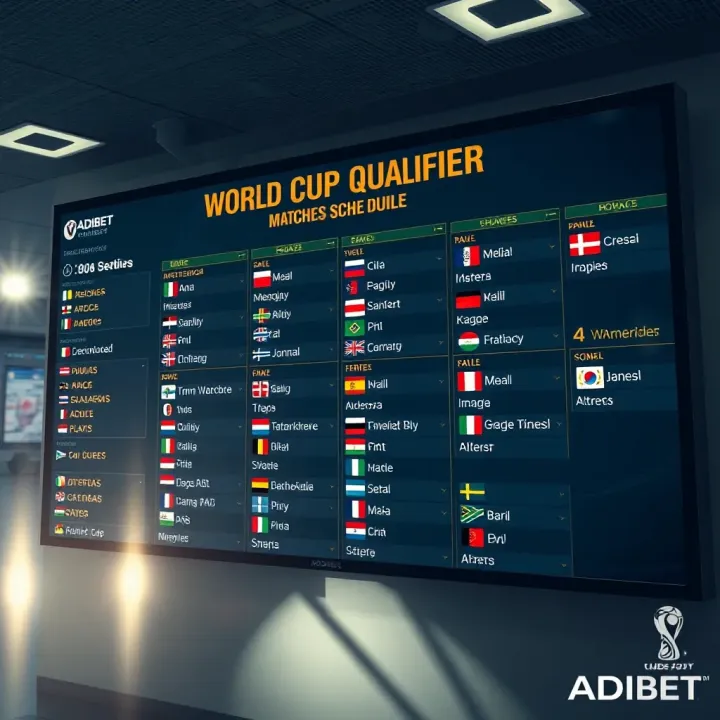
Europe employs group matches followed by playoff rounds. Teams are split into groups, playing home and away matches. The group winners qualify directly, while runners-up usually enter playoffs. This setup puts a premium on consistency across fixtures.
Scheduling in Europe considers a crowded club calendar. UEFA works with international breaks established by FIFA to place qualifiers without disrupting major leagues like the English Premier League or La Liga excessively. Nonetheless, clashes and fixture pile-ups happen, especially when clubs compete in European tournaments, making squad rotation imperative.
Clubs and leagues bear significant impact from European qualifiers. Players leaving for national duty may face fatigue or injuries, affecting club performances. Nigerian professionals in European clubs, for example, have to keep form and fitness sharp amid national team call-ups, which can mean long flights and little recovery.
CONMEBOL opts for a simple round-robin system where all teams play each other home and away. This guarantees many fixtures over extended months, heightening competition but also requiring resilience. South American qualifiers are notoriously demanding due to distances and altitude variations.
The Asian Football Confederation runs qualifiers in stages, blending group play and knockouts. With multiple rounds, emerging teams get exposure against strong sides. This staggered format suits Asia’s vast geography and time zone differences.
Concacaf uses a mix of group rounds and playoffs, reflecting diverse football development levels in North and Central America and the Caribbean. The format aims to balance competitiveness with logistical feasibility, especially for smaller nations.
Oceania’s route is shorter, often depending on a final playoff between top teams like New Zealand and others. Due to fewer slots, this zone’s fixtures are intense and leave little room for error.
Different continental formats reflect not just sporting needs but practical realities like travel, climate, and club cooperation. For football stakeholders, grasping these structures clarifies the challenges teams face and enriches the match-watching experience.
Knowing which fixtures to watch during the World Cup qualifiers is vital for understanding the stakes and dynamics of the competition. These key matches often determine the fate of teams either directly qualifying for the World Cup or heading into playoffs. For sports bettors, account managers, and digital marketers, tracking these fixtures closely offers a real edge by identifying profitable opportunities and crafting timely campaigns aligned with fan interest.
The scheduling of Nigeria's qualifier matches is crucial, especially for fans and stakeholders planning to follow or engage with the action. Matches generally fall within FIFA's international breaks, often scheduled during evening hours to maximise viewership in local Nigerian time zones. Venues span across different countries within Africa, with Nigerian home matches usually held at iconic stadiums like the Moshood Abiola National Stadium in Abuja. Understanding these details helps media outlets and marketers tailor content for peak engagement and supports fans in planning attendance or viewing parties.
Nigeria’s qualifying rounds often feature familiar rivals such as Ghana, Cameroon, and Algeria. These fixtures carry historical weight, stemming from past competitive clashes and regional pride. For instance, Nigeria–Ghana games have always attracted large crowds and intense media attention due to longstanding football rivalry. Recognising this history is key for bettors and marketers because it influences match intensity and fan anticipation, which often translate to higher stakes and engagement around these fixtures.
Every qualifier involving Nigeria can be a turning point in their quest for the FIFA World Cup. Nigeria’s performance in these fixtures decides if the team progresses directly, faces playoffs, or misses qualification altogether. For sponsors and sports bettors, these matches are especially significant as they affect team morale, player availability, and even coaching strategies—a factor that influences betting odds and brand campaigns. Paying attention to Nigeria's matches ensures you stay ahead of the curve on developments around African football.
Across the globe, regional rivalries add spice to qualifier fixtures. In South America, fixtures like Brazil versus Argentina always command massive viewership with raw competition on display. Similarly, European matches such as England versus Scotland stir strong emotions. These derbies don’t just impact qualification but also fuel fan passion, creating prime slots for targeted marketing and sponsorship activation.
Playoff fixtures often represent the final hurdle to World Cup qualification and come loaded with drama. For example, African teams eliminated in group stages often get another chance in knockout playoffs, where a single game can decide their fate. For bettors, these matches are tricky due to high pressure but rewarding for those who analyse form and squad depth thoroughly. Marketers and broadcasters focus heavily on these fixtures given their decisive nature and spike in attention.
Certain matches attract attention beyond the immediate participants due to their implications on continental rankings or qualification dynamics. For example, a game between two top African teams kicking each other out of World Cup contention affects the whole continent’s representation. Likewise, fixtures in Asia where teams hunt for rare qualification spots generate wide regional buzz. Recognising these matchups helps digital marketers harness community sentiment and keeps sports bettors engaged with the evolving competitive landscape.
Watching key World Cup qualifier fixtures closely allows you to anticipate outcomes, capitalise on trends, and connect more deeply with the sport’s unfolding drama, especially from Nigeria and other passionate regions.
Fixture scheduling plays a significant role in how teams perform in World Cup qualifiers. When matches are tightly packed or require extensive travel, teams often struggle with fatigue, affecting player fitness and overall game quality. This aspect directly influences coaching decisions, tactical approaches, and ultimately the chances of securing qualification.
Long travel distances between match locations take a heavy toll on players. For example, a Nigerian team travelling to Namibia then quickly back to Lagos within a few days can experience jet lag and fatigue, which dull alertness and slow recovery. This fatigue affects both physical effort and mental focus, often leading to mistakes or slower reactions during crucial moments.
Players' bodies usually need several days to adjust after crossing time zones or enduring long flights. Without enough recovery time, performance dips noticeably. Coaches and physiotherapists work hard to manage this, but the fixture calendar sometimes makes it tough.
Scheduling affects how coaches choose their line-ups. If matches come in quick succession, managers may rotate players to keep everyone fresh, especially in key positions like midfield or defence. This can mean that in critical games, the strongest line-up isn't always possible because some players aren’t fully rested.
For Nigeria’s national team, coaches have had to bench star players temporarily to give them rest between qualifiers during busy periods. This practice safeguards players from injury but also means team chemistry may fluctuate from one game to another.
During the 2022 qualifiers, teams like Senegal and Algeria faced back-to-back matches with minimal recovery time, especially when flying across continents. Senegal’s squad openly spoke about exhaustion affecting their pace in away games.
Nigeria experienced a similar issue when the team played Cameroon in Yaoundé only days before hosting a home game. The travel strain and lack of rest partly explained the players' dropped energy levels in the return fixture compared with the first leg.
Climatic differences are another factor influencing player performance. For instance, Nigerian teams playing in colder environments such as Norway or Russia must adapt quickly to colder temperatures, which affects muscle flexibility and stamina.
Conversely, teams travelling to humid or very hot locations like parts of South America struggle with dehydration and heat exhaustion. Failure to prepare properly for these conditions can lead to subpar displays.
Playing on home turf brings familiarity with pitch conditions, climate, and fan support, which greatly boosts confidence and energy. Home advantage has proven critical in many qualifiers, as seen with Ghana’s strong record at Accra Sports Stadium.
Away games pose considerable challenges, including hostile crowds and different atmospherics. This often forces visiting teams to adjust tactics, play more conservatively, or cope with pressure that can impact decision-making.
Teams often change their style based on venue conditions. For example, in humid climates, coaches may instruct players to slow the game and conserve energy, whereas in cooler regions, the focus might be on maintaining a high tempo.
Player fitness is closely monitored against these conditions, with trainers adjusting hydration, rest, and warm-up routines. Teams like Nigeria have increasingly used sports science and local expertise to manage these variables, aiming to maintain peak physical levels throughout the qualifiers.
Fixture scheduling is more than just dates on a calendar—it shapes how teams prepare, perform, and succeed under diverse physical and environmental pressures.
Keeping up with fixture updates and knowing how to watch qualifiers is essential for anyone serious about following World Cup qualifiers. Schedules can shift quickly due to unexpected factors like weather, security issues, or health concerns. For fans, sports bettors, and professionals in sports-related industries, having the latest fixture information ensures timely decisions and avoids missing important matches.
Official FIFA and continental confederation sites provide the most accurate and up-to-date details about the qualifier fixtures. FIFA’s website regularly posts schedules, updates, and official statements regarding fixtures across all regions. Similarly, confederations like CAF (Confederation of African Football) offer detailed calendars and announcements relevant to African qualifiers. These sources help avoid rumours and misinformation that often circulate on social media.
Nigerian football federation updates from the Nigeria Football Federation (NFF) are crucial for followers of the Super Eagles and other national teams. The NFF website, alongside their verified social media accounts, provides announcements on venues, kickoff times, and any changes specific to Nigeria’s matches. Staying connected here is vital especially when reschedules affect team preparations or fan travel plans.
Trusted sports news sources and apps such as ESPN, SuperSport, or Nigerian platforms like Complete Sports and NaijaBet offer real-time updates, analyses, and fixture reminders. Mobile apps often send push notifications immediately when there’s a change in kickoff times or venues. These platforms also offer multi-angle coverage, including player updates and tactical previews, valuable for bettors and marketers tracking team form.
TV stations showing qualifiers typically include SuperSport, NTA, and sometimes regional broadcasters. They hold exclusive rights to air matches live, providing Nigerian viewers with dependable access on television. Knowing which station has the broadcast rights helps fans avoid confusion and missed matches during high-stakes games.
Online streaming platforms like Showmax Pro, DStv Now, and even YouTube channels linked to official football bodies enable flexible viewing options. This is especially critical for those who travel frequently or live outside major cities. Streaming also offers accessibility when power outages or congested traffic make traditional viewing difficult.
Radio and social media updates remain important channels too. Stations like Brila FM provide live commentary and updates when TV or internet access is limited. Moreover, following official Twitter accounts or WhatsApp groups dedicated to football updates keeps fans informed about last-minute changes and match highlights.
COVID-19 related rescheduling has become a regular challenge over the past few years. Matches may be postponed or fixtures squeezed into tighter windows to accommodate health protocols. Following official health advisories and confederation announcements is key to avoid surprises.
Security and logistic disruptions can also force sudden changes, especially if political unrest or transport strikes affect host cities. Security advisories from local authorities combined with updates from the NFF and CAF provide early warnings for fans and teams alike.
Tips for fans on adjusting plans include watching official channels for any announcements, confirming tickets and venues shortly before match days, and having flexible travel arrangements. Using mobile alerts from trusted apps can save unnecessary trips and expenses due to rescheduling. Planning for possible last-minute changes also means considering alternative viewing options like radio or online streams.
Staying in the loop on fixture changes and knowing where to watch ensures you never miss a moment in the intense race for World Cup qualification. For sports bettors, marketers, and tech users, it provides the edge needed to react quickly and stay ahead.
⚽ Discover Adibet’s World Cup predictions for tomorrow’s matches 🇳🇬. Get expert insights, team analysis, and betting tips tailored for Nigerian punters to boost your ₦ stakes!
🎲 Learn how to use an accumulator calculator to boost your betting returns. Get tips, avoid common mistakes, and explore top Nigerian online tools for smarter bets!
🎥 Bet smarter with Adibet Livestream, Nigeria's top platform for live sports streaming and betting. Learn how to access, use safely, and boost your ₦ winnings now!

🎯 Discover how betting sites in Nigeria work, the best platforms, legal tips, payment options like USSD & bank transfer, plus safe betting advice for ₦-wise play.
Based on 8 reviews