
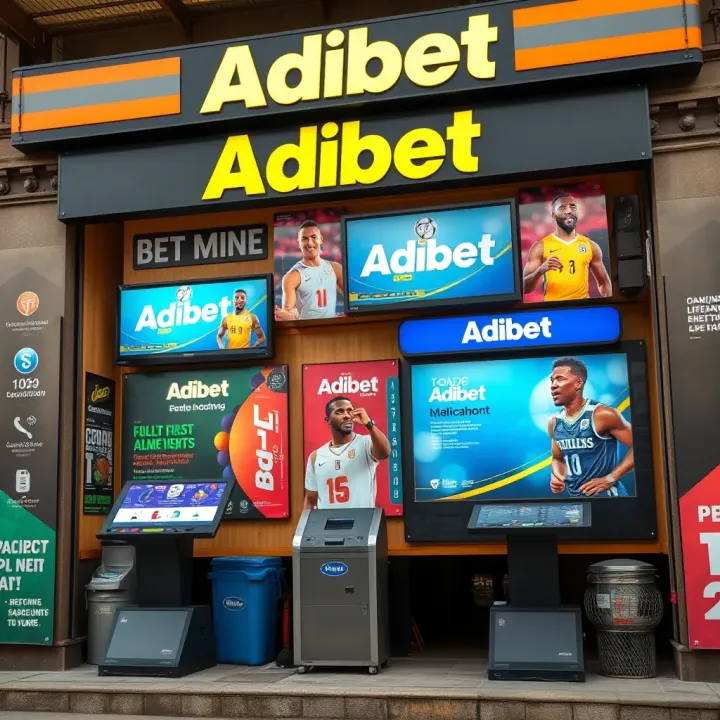
How to Register an Adibet Shop in Nigeria
Learn how to register your Adibet shop in Nigeria 🇳🇬, meet legal requirements, handle documents, follow step-by-step procedures, and run a successful betting business 💼.
Edited By
Oliver Grayson
The Old Adibet Shop stands as a notable part of Nigeria’s local trade scene, especially within bustling neighbourhoods where daily hustle defines the rhythm of life. Established decades ago, this shop began as a modest retail outlet offering essential household goods to nearby residents. Over time, it morphed into a dependable hub for traders, consumers, and small business owners. The shop’s unique model—marked by a wide product range, flexible credit terms, and personal customer relationships—cements its place in local commerce.
Unlike large supermarkets or organised retail chains, the Old Adibet Shop thrives on community trust and familiarity. It caters mainly to middle- and low-income shoppers who rely on purchasing in small quantities to manage limited cash flow. For many, the shop is more than a retail spot; it’s a lifeline that supports regular cash rotations and informal credit arrangements, often unavailable from formal financial institutions.
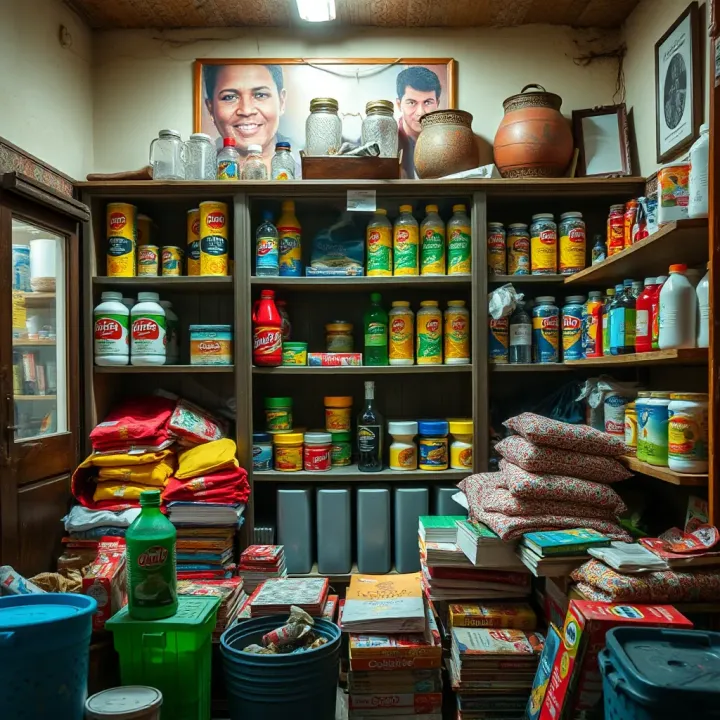
The strength of the Old Adibet Shop lies in its adaptability and deep-rooted connection to the community it serves, helping sustain informal trade and everyday economic activity.
Operating in a complex environment marked by naira fluctuations, power supply issues, and evolving competition from online platforms and modern retail outlets, the shop faces challenges that call for constant adaptation. For instance, many shop owners have embraced mobile money payments and social media to keep up with changing buyer habits.
To understand the impact of the Old Adibet Shop on Nigerian local commerce, pay attention to these aspects:
Business model: Offering diversified products – from foodstuff and toiletries to household sundries – often on flexible payment options.
Community role: Serving as a credit hub, sometimes extending goods on trust to regular customers.
Economic impact: Supporting informal sector activities that account for a large portion of Nigeria’s economy.
Adaptation: Integrating mobile payment systems and social media advertising to stay relevant amidst digital disruption.
This article aims to paint a clear picture of how such shops knit into the fabric of daily Nigerian trade, providing insight valuable to anyone interested in local retail trends, market dynamics, or community-based commerce.
The story of the Old Adibet Shop starts deep in the heart of Nigerian local markets, where small-scale traders shaped the early retail landscape. Established several decades ago, it was one of the pioneer outlets to serve everyday consumers in bustling neighbourhoods, especially in Lagos and Ibadan. Its presence was often synonymous with accessibility and convenience, offering locals a place to purchase essentials without travelling far.
The Old Adibet Shop was set up at a time when formal retail chains were scarce, and the informal sector dominated trade activities. Located strategically near busy bus stops or along main roads, the shop capitalised on consistent foot traffic from workers, traders, and market women. This positioning ensured high visibility and steady patronage, which helped it embed itself firmly in the community’s commercial fabric.
Originally, the shop stocked basic household items such as soap, sugar, salt, matches, and noodles. Apart from dry goods, Old Adibet often sold small quantities suitable for daily or weekly use, matching the average Nigerian shopper’s limited purchasing power. Services like credit sales were common, forging a trust-based relationship with customers who needed short-term relief before payday.
The shop wasn't just a commercial spot but also a communal hub where neighbourhood buyers exchanged information, socialised, and even settled local disputes informally. It helped bridge supply gaps in periods when bigger markets were inaccessible because of strikes or fuel shortages. Through consistent availability and community trust, the shop became a go-to destination for daily necessities.
Over the decades, the Old Adibet Shop has seen shifts in ownership, often within families or local partnerships. These transitions sometimes brought fresh ideas or financial backing, enabling the shop to modernise marginally or maintain its presence against growing competition. Management styles evolved, moving from purely informal systems to more organised record-keeping, especially as business volumes grew.
Depending on economic circumstances or neighbourhood developments, the shop would sometimes expand by adding new product lines like bottled water or local beverages, catering to evolving tastes. Conversely, during tough times, some branches or outlets contracted, focusing on core products to keep operating costs manageable. The shop’s physical footprint remained modest but adaptable.
The shop’s resilience has been tested repeatedly by Nigeria’s economic swings, including naira devaluation, inflation spikes, or fuel scarcity. Price hikes often forced the shop to adjust product quantities or freeze credit options. At times, sourcing became challenging due to supply chain disruptions, compelling the owners to rely more on local producers. These shifts carved a pattern of cautious adaptation while maintaining service delivery.
The Old Adibet Shop’s history reflects the tenacity of informal retail in Nigeria — a sector that supports millions despite economic uncertainties and stiff competition.
This background sets the stage for understanding the shop’s current status, challenges, and cultural weight in local commerce today.
The Old Adibet Shop operates on a straightforward yet highly effective business model rooted in meeting the daily needs of local communities. This model revolves around a mix of essential goods, unique speciality items, and flexible services that keep customers coming back. Understanding these core offerings sheds light on why the shop remains relevant despite the growing presence of supermarkets and digital marketplaces.
At its heart, the Old Adibet Shop stocks everyday essentials crucial for the neighbourhood. These include staples like rice, beans, garri, seasoning cubes, cooking oil, and basic toiletries such as soap and toothpaste. This assortment caters mostly to families managing tight budgets in urban and peri-urban areas. The advantage lies in convenience and satisfying frequent, low-cost purchases without the need to travel far or spend excessive time.
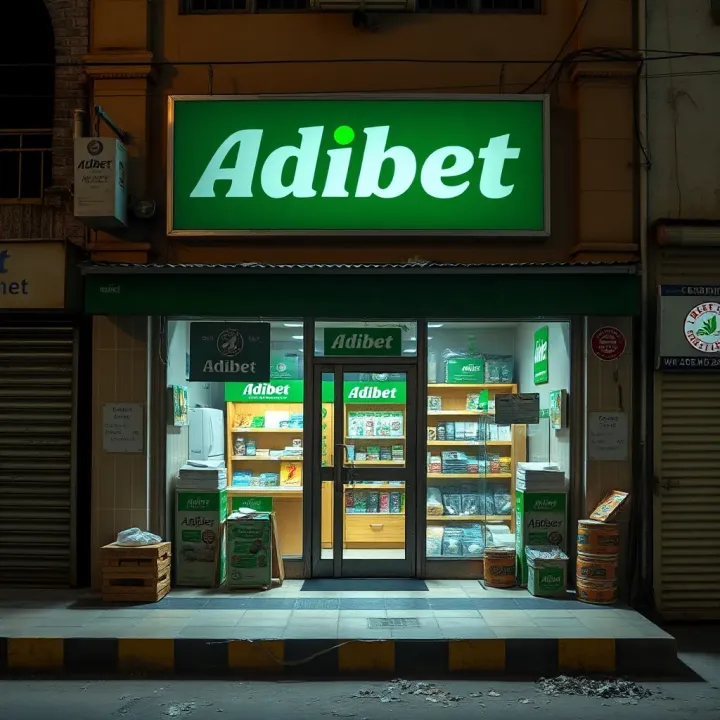
Many customers appreciate that the shop supplies smaller quantities suited for daily use, unlike large supermarkets which push bulk buying. For example, a typical shopper may buy just a kilogram of rice or a few sachets of indomie noodles rather than large packs. This flexibility boosts customer loyalty, especially with those relying on irregular daily incomes.
Besides the common goods, the Old Adibet Shop often carries items specific to its locale or cultural preferences. This might include traditional spices, locally made soap bars, herbs used in Nigerian soups, or even imported tokunbo products like second-hand electronics or clothing. These speciality items attract a niche set of customers seeking goods not always available at mainstream stores.
For example, in Lagos, the shop might stock palm oil instead of refined vegetable oil, appealing to local cooking methods. Or during festive seasons like Sallah or Christmas, unique offerings such as aso ebi cloths or party materials might find their way to the shelves. Such products help the shop distinguish itself and reinforce its role in community life.
A key part of the Old Adibet Shop’s business model is offering services tailored to customer convenience and local realities. Many shops provide credit sales to trusted customers, helping those who cannot pay upfront. This practice fosters loyalty and supports customers through financial ebbs and flows common in informal economies.
Additionally, some Old Adibet Shops deliver goods directly to customers’ homes or workplaces, especially where security concerns or mobility issues exist. Delivery might be done using okada or tricycle taxis (keke napep), providing practical last-mile access. These services deepen the customer relationship and keep the shop competitive against bigger outlets.
The Old Adibet Shop primarily serves working-class Nigerians, including petty traders, artisans, civil servants, and market women. Many shoppers are women managing households with irregular or modest incomes who value the shop’s convenience and flexible service. Also, the elderly who prefer familiar local business spaces rather than impersonal supermarkets dominate this group.
These demographics explain why the shop thrives in busy localities, residential areas, and near markets. For instance, a shop located close to a danfo park is likely to attract daily commuters grabbing quick supplies before travelling home.
Old Adibet Shops often source goods from local suppliers, farmers, and wholesalers. This close relationship helps sustain the informal supply chain supporting many small producers and vendors. For example, a shop might buy fresh tomatoes, pepper, or yams directly from local farmers to sell fresh produce alongside packaged goods.
The symbiosis benefits both sides: suppliers get regular business, while shops secure fresher products and better prices. This local sourcing also helps keep prices affordable for end customers.
Beyond retail, the Old Adibet Shop acts as a support hub for various informal sector activities. It supplies raw materials and packaging to small-scale manufacturers, supports roadside food sellers (mama put), and provides the community with essential goods that underpin many micro-businesses.
For example, a mama put might buy quantities of stock cubes, spices, or canned goods from the shop regularly. This support keeps informal businesses agile despite the lack of formal wholesale channels, reinforcing the shop’s critical place in local economic ecosystems.
The Old Adibet Shop is more than a retailer; it is a community pillar, combining accessible goods with practical services and local connections that sustain livelihoods in Nigeria's bustling neighbourhoods.
The Old Adibet Shop plays a vital role in generating employment opportunities within its community. Typically, these shops employ several local youths and adults, often from the immediate neighbourhood, providing steady income for families who might otherwise struggle to find formal jobs. For instance, a typical Old Adibet Shop may employ two to three workers who handle sales, inventory, and delivery, which creates practical job roles in retail operations.
Besides direct employment, the shop supports many small-scale producers like local farmers and artisans by sourcing goods directly from them. This connection helps sustain smaller businesses that supply fresh produce, crafts, or homemade goods. Such arrangements keep these producers afloat by opening consistent market channels where larger retailers may not venture.
The shop also impacts local money circulation significantly. Because it operates within the community and trades primarily in cash or mobile money, profits tend to stay local rather than flowing to distant corporate headquarters. When customers spend their naira at the shop, it often gets reinvested into other local services or businesses — for example, when employees spend their salaries in nearby markets or use local transport options. This keeps money moving within the community, boosting local economic resilience.
Beyond economics, the Old Adibet Shop doubles as a community gathering point. It is common for residents to pause there, exchanging news, discussing local matters, or simply socialising while running errands. This transforms the shop into a hub of social cohesion, keeping the neighbourhood tightly knit, especially in busy or sprawling towns.
The shop often takes part in local festivals and community events, reinforcing its cultural ties. For example, during traditional ceremonies or celebrations like the New Yam Festival or local Sallah festivities, the shop may donate supplies or organise special offers for shoppers. Such involvement deepens its role beyond commerce, marking it as a stakeholder in preserving community spirit.
Traditional retail methods also survive through the Old Adibet Shop. Unlike supermarkets that depend heavily on technology and uniform processes, these shops keep alive familiar practices such as oral credit arrangements, flexible bargaining, and personal customer care. This continuity preserves retail customs that many Nigerians still value highly, especially in rural or semi-urban settings.
The Old Adibet Shop is not just a place to buy goods; it is a living part of the community’s economy and social fabric, balancing modern challenges with time-tested traditions.
Understanding the challenges the Old Adibet Shop faces today is essential to appreciate its resilience and ongoing relevance in Nigeria’s retail scene. These obstacles shape how it adapts and competes, especially in rapidly changing markets.
Pressure from supermarkets and malls: Modern supermarkets and malls have significantly changed shopping habits. Larger outlets offer a wider variety of products under one roof, often at competitive prices due to bulk buying. This convenience draws customers away from traditional shops like Old Adibet, which generally have limited stock and smaller premises. For example, malls in Lagos and Abuja attract middle-class shoppers who prefer air-conditioned comfort and organised displays over the cramped and sometimes untidy environment of local shops.
Changing consumer preferences: Today’s consumers, especially younger ones, demand more variety and brand options. They often seek packaged goods and international brands that old shops may struggle to stock because of supply chain limitations or capital constraints. Also, consumers want quick service and modern payment methods. The shift towards healthier, organic, or niche products adds another layer of pressure on traditional shops that focus on general groceries and staples.
Technology-enabled shopping alternatives: The rise of ecommerce and mobile apps like Jumia, Konga, and local platforms such as OPay and PalmPay allows shoppers to buy items online and have them delivered within hours or days. This digital convenience reduces foot traffic to physical shops. Old Adibet Shop faces the challenge of integrating such technology to keep up, but limited technical skills and infrastructure often pose barriers.
Fluctuating naira exchange and inflation effects: Constant naira devaluation affects import prices and increases operating costs for shops. Old Adibet Shop typically relies on goods sourced from both local and international suppliers. When the naira weakens, import costs rise, forcing price adjustments that may alienate price-sensitive customers. Inflation also reduces consumers' purchasing power, limiting sales volume, especially during tougher economic periods.
Power supply challenges increasing costs: Frequent power outages remain a big problem in many Nigerian towns and cities. For Old Adibet Shop, lack of reliable electricity means reliance on generators, which come with high fuel and maintenance costs. These expenses cut into the already thin profit margins of traditional retail, making it harder for the shop to stay affordable and competitive.
Security and regulatory hurdles: Many small-scale shops contend with security issues like theft or vandalism, especially at night. Regulatory challenges also persist; local authorities may impose levies or fines without clear justification, creating unpredictability. The shop owners must navigate these risks while managing day-to-day operations, often without formal business protections or insurance.
These challenges require practical solutions. For Old Adibet Shop to remain a vital part of Nigeria’s local commerce, it must balance tradition with smart adaptations to the current economic and technological realities.
The future of the Old Adibet Shop depends largely on how well it adapts to Nigeria’s changing retail environment. As urbanisation grows and consumer behaviour shifts with technology, the shop must evolve to stay relevant. This section highlights strategies that can help the shop maintain its role in local commerce while embracing necessary changes.
Incorporating digital payment methods like Paystack, Flutterwave, or OPay into the payment system is a practical move for the Old Adibet Shop. Many Nigerian consumers now prefer cashless transactions for convenience and security, especially in urban centres across Lagos, Abuja, and Ibadan. Accepting mobile money or card payments can speed up sales, reduce risks associated with cash handling, and open the shop to a wider customer base.
Considering the unreliable power supply that some Nigerian areas face, shops often combine app-based payments with offline POS terminals that store transaction data until connectivity returns. This blend ensures business continuity during power fluctuations common in the ember months.
To attract and retain customers, the shop can increase its variety beyond everyday essentials. For example, stocking freshly imported tokunbo household items alongside local foods can satisfy customers seeking a blend of affordability and quality. Introducing small-scale services like airtime top-up, bill payments for electricity (PHCN), or internet subscriptions further enhances convenience. This draws in a tech-savvy clientele while supporting traditional buyers.
Adding tailored services such as small loans or credit sales to trusted customers also strengthens loyalty. The shop becomes a one-stop point, lessening shoppers’ need to visit multiple outlets. This approach mirrors moves by successful mama put operators who diversify to boost income.
Building stronger connections with customers through active engagement is key. For instance, using WhatsApp or text messaging to notify customers about new stock or special offers helps maintain regular patronage. Loyalty schemes or occasional giveaways create goodwill and encourage repeat visits.
Adopting modest marketing efforts like signage in local languages or collaborating with community events demonstrates commitment to the neighbourhood. Clear communication on pricing and flexibility with credit terms can also enhance trust, essential for informal traders dependent on daily sales.
The Old Adibet Shop remains a vital space where people not only shop but connect. Local customers keep the shop alive by choosing it over large supermarkets when they want personal attention or credit. This patronage sustains traditional retail practices and maintains social networks within communities.
Support from community members during festive seasons or ember months also helps the shop withstand tough economic tides. Such patronage reflects mutual reliance where the shop backs local producers and residents.
Passing down retail knowledge to younger generations preserves the shop’s legacy. Experienced owners offering apprenticeships or mentorship build a foundation for sustainable business practices. This can include training in stock management, customer care, and credit control tailored for informal markets.
Succession planning ensures the shop’s continuity amid demographic shifts. Without training, many small retailers risk closing or selling out to larger entities. Grooming new entrepreneurs helps safeguard indigenous commerce styles that characterise Nigerian urban and semi-urban retail.
Forming partnerships with local governments or trade associations can ease operational challenges. For example, accessing grants for power equipment like solar panels or benefiting from training in digital payment integration can be invaluable.
Engagement with local councils also facilitates compliance with regulatory requirements, reducing risks of closure due to zoning or hygiene laws. Joint community events supported by such bodies bring visibility and build goodwill for the shop.
Embracing modern tools while upholding traditional values positions the Old Adibet Shop to thrive amid Nigeria's evolving retail landscape. Its future depends on blending innovation with deep community ties.
These strategies are not just theoretical but tested paths that help retail businesses across Nigeria adapt and flourish despite an increasingly competitive marketplace.
Learn how to register your Adibet shop in Nigeria 🇳🇬, meet legal requirements, handle documents, follow step-by-step procedures, and run a successful betting business 💼.

🎯 Learn how to access and use AdiBet Lite old mobile login in Nigeria. Get easy steps, solve common issues, and enjoy betting safely on your phone today! 📲⚽

Discover how to check and redeem your Adibet old mobile coupon easily on your phone 📱 in Nigeria. Solve common issues fast to boost your betting wins with confidence 🎯💰.
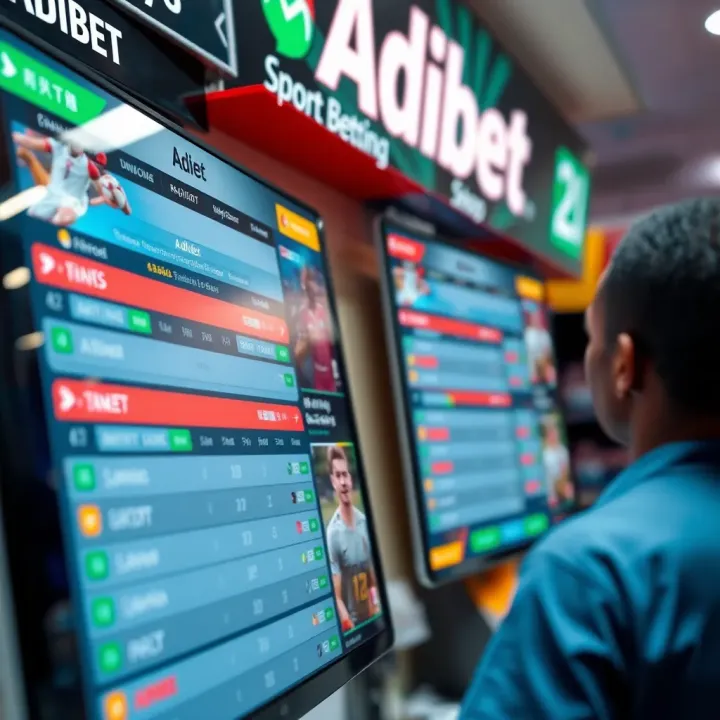
🎯 Discover Adibet Sport Betting Shop in Nigeria: how to register, place bets, use payment options, stay safe, and bet responsibly for better wins. ₦
Based on 11 reviews