

Old Adibet Shop: History and Impact in Nigeria
Discover the story of Old Adibet Shop 🏪, its role in local trade, how it supports daily hustle, faces market changes, and keeps its place in Nigeria’s busy communities 🇳🇬.
Edited By
Thomas Beckett
Old Shop Adibet is more than just a trading spot; it’s a landmark that captures the heartbeat of Nigerian commerce from the past to the present. Located in a bustling market area, it was established in the early 20th century, serving as a crucial hub for local traders and farmers to exchange goods long before modern retail chains took centre stage.
The shop operated on a barter and cash system, reflecting how Nigerians traditionally conducted trade. It stocked essential items such as locally woven textiles, palm oil, spices, and handcrafted tools. This blend of goods not only catered to everyday needs but also supported local artisans and small-scale farmers, anchoring the community’s economic life.

Old Shop Adibet symbolises resilience and cultural continuity in Nigerian commerce.
Over the decades, the shop adapted to changing market demands and shifting economic policies. For instance, during Nigeria’s post-independence period, when import restrictions affected supply chains, Old Shop Adibet became a place where local substitutes thrived. Traders and customers alike appreciated its role in sustaining local business during unstable times.
Challenges such as poor infrastructure, competition from modern supermarkets, and currency depreciation have tested the shop’s viability. Still, it remains a reference point for understanding how informal trading networks shape Nigerian markets. Many traders see the shop as a source of lessons on customer loyalty, product diversity, and community relations.
Key takeaways from Old Shop Adibet’s history include:
Importance of adaptability: The shop shifted with times to survive economic fluctuations.
Community trust: Strong ties between sellers and buyers encouraged repeat business.
Supporting local production: By prioritising Nigerian-made goods, it helped maintain domestic industries.
Today, the story of Old Shop Adibet offers valuable insights for digital marketers, compliance officers, and fintech companies aiming to engage Nigeria’s informal economy. Understanding such traditional commerce points can improve product design and customer outreach strategies.
Knowing the roots of Nigerian trade through places like Old Shop Adibet helps you appreciate why trust, culture, and local knowledge remain key business drivers even amid rapid technological change.
Understanding the origins of Old Shop Adibet offers essential insight into its lasting impact on Nigerian commerce. This early market hub served as a foundation for local trade networks, fostering economic exchange and community cohesion well before modern retail chains appeared. Examining its beginnings helps explain the shop's ability to remain relevant despite shifts in market dynamics and regulatory frameworks.
Old Shop Adibet traces its roots to the bustling market district of Lagos Island, established in the late 19th century during colonial times. Its strategic location near the waterfront allowed it to take advantage of trade routes used by both local traders and colonial merchants. This prime position not only facilitated the importation of foreign goods but also supported the distribution of Nigerian produce and crafts.
The shop's name itself, "Adibet," reportedly became synonymous with reliability and fair pricing in the Lagos trading circles of that era. Generations of traders used the shop as a reference point, with many informal contracts and deals struck under its shade. Interestingly, even during periods of political unrest and infrastructural challenges, the shop maintained its operation, underscoring its importance to the local economy.
Originally, Old Shop Adibet primarily dealt in everyday commodities such as grains, spices, textiles, and handcrafted tools. The shop functioned as both a point of sale and an informal credit provider to local traders, allowing small business owners to stock their stalls without upfront payments.
Trading activities extended beyond mere buying and selling. Old Shop Adibet doubled as a gathering spot where traders exchanged market information, negotiated prices, and coordinated supply chains. For instance, during peak farming seasons, wholesalers and farmers would meet here to set down terms for bulk sales, often using oral agreements backed by trust rather than written contracts.
Moreover, the shop played a crucial role in linking rural producers with urban consumers. Products from hinterland farms were aggregated here, making it easier for Lagos merchants to access fresh goods in larger quantities. This bridging function demonstrates how Old Shop Adibet contributed to smoothing out supply bottlenecks, supporting livelihoods across different regions.
Old Shop Adibet was not just a business location—it held a key place in the social and economic fabric, shaping how trade was conducted in early Nigerian markets.
The shop's early role is a testament to the resilience of traditional trade practices and highlights lessons for contemporary entrepreneurs about building lasting business relationships through trust and community engagement.
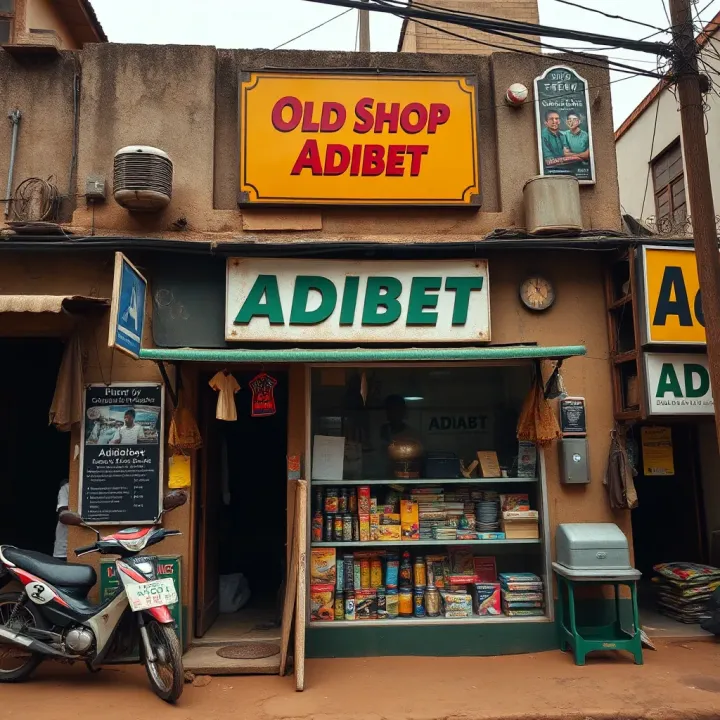
Old Shop Adibet served as more than just a trading centre; it was a vital hub that boosted local traders and benefited customers deeply rooted in the community. By providing a space where small-scale traders could bring their wares—from local fabrics and handcrafted items to agricultural produce—it helped many earn a steady income without the hefty rent or overheads common in more modern markets.
Old Shop Adibet offered a platform especially for local traders who lacked access to the bigger commercial hubs in Lagos or Kano. The low entry barriers allowed many mama puts and artisans to join in, fostering an ecosystem where everyday Nigerians found what they needed at fair prices.
For instance, traders dealing in fresh produce could sell directly to customers, cutting out middlemen who usually hike prices. This direct connection lowered costs, making staples like yams, garri, and vegetables more affordable. Customers who relied on daily markets rather than supermarkets appreciated this reliability and accessibility.
Moreover, the shop was a place where credit arrangements were common; traders often extended small loans or allowed customers to pay later, a relief especially during the ember months when expenses soar. This flexible approach strengthened trust and loyalty between traders and consumers.
Old Shop Adibet was more than a marketplace—it was a social ground where communities met to exchange news, ideas, and cultural practices. It played host to informal gatherings where elders discussed local affairs while youths learnt traditional trade skills.
The shop's courtyard often doubled as a venue for storytelling sessions, folk music, or festive celebrations tied to local customs. During events like Sallah or independence day, traders and customers alike came together, turning the trading spot into a community centre.
This mingling nurtured social bonds across age groups and ethnicities, proving that commerce also carries a strong cultural weight. Through these interactions, Old Shop Adibet helped preserve Nigerian customs and contributed to a shared identity among traders and patrons.
The dual role of Old Shop Adibet as both a commercial and social hub made it indispensable. It supported livelihoods while fostering a sense of belonging and culture in the midst of rapidly changing urban environments.
In summary, Old Shop Adibet stood as a pillar in its community, helping traders grow their businesses and giving customers access to affordable goods, all while embedding itself in the social and cultural fabric of Nigerian life. Its legacy offers valuable insights for today’s entrepreneurs seeking to connect deeply with their communities beyond mere transactions.
Over the years, Old Shop Adibet has not only witnessed but also withstood several changes and challenges that shaped its place in Nigerian commerce. Understanding these shifts gives us insight into how traditional traders adapted to Nigeria's evolving economic environment.
The Nigerian economy, known for its fluctuations and policy adjustments, impacted Old Shop Adibet deeply. During periods of inflation and currency devaluation, especially in the late 1980s and early 2000s, the shop had to adjust prices frequently to keep up with naira volatility. The Structural Adjustment Programme (SAP) of the late 1980s, for instance, led to increased import duties and shifting trade policies which directly influenced the shop’s supply chain, often raising costs of tokunbo goods and imported items.
Regulatory changes like the introduction of the Bank Verification Number (BVN) and tightened tax regimes by the Federal Inland Revenue Service (FIRS) also affected traditional stores. These measures aimed at formalising trade posed challenges to small-scale traders at Old Shop Adibet who had limited digital literacy or documentation, impacting their ease of doing business.
In recent decades, the rise of supermarkets, online marketplaces, and shopping malls presented stiff competition to Old Shop Adibet. Brands like Shoprite and online platforms such as Jumia Nigeria and Konga changed consumer habits by offering convenience, variety, and often competitive pricing backed by strong supply chains.
Additionally, fintech adoption made cashless payments more common in modern retail, whereas traditional shops often relied on cash sales, limiting their reach to customers who prefer digital transactions. The result has been a gradual loss of foot traffic for many old market stores.
That said, some traders at Old Shop Adibet started incorporating technology, using mobile payment platforms like OPay and PalmPay to bridge this gap. Still, the challenge remains to maintain the unique personal touch and community trust while competing with the efficiency and scale of modern retail.
Managing economic changes and competitive pressures requires flexible business strategies; Old Shop Adibet’s story highlights the need for balance between tradition and innovation in Nigerian commerce.
Today, Old Shop Adibet continues to hold a place in Nigerian commerce, though its operations have evolved significantly. Located still within a busy district of Lagos, it functions more as a niche retail hub than a broad-market centre. The shop primarily caters to loyal customers who appreciate its history and personal service, alongside a new wave of younger patrons discovering traditional trade culture.
Despite challenges posed by modern malls and digital marketplaces, Old Shop Adibet maintains relevance by focusing on specific product lines such as locally-made textiles, traditional beads, and handcrafted leather goods. Many of its suppliers are local artisans, reflecting a deliberate choice to support homegrown businesses and keep cultural craftsmanship alive. This approach attracts buyers looking for authentic Nigerian products rather than mass-produced items.
Operations at Old Shop Adibet run largely on face-to-face interactions, but there is a growing use of mobile payment methods like Paga and OPay, which have eased transactions. This hybrid of old-school charm and selective modern technology helps the shop remain financially viable in a competitive market. Opening hours have also adjusted to accommodate customers’ modern schedules, now including some weekend hours to complement the weekday trade.
The biggest shift in Old Shop Adibet's approach is how it has adapted to changing consumer behaviour. The shop has embraced social media platforms to showcase its unique products, using Instagram and WhatsApp to reach a broader audience beyond its physical location. This outreach effort allows for pre-orders and direct customer engagement, making it easier to compete against bigger retail chains.
Stock management has also improved with basic digital inventory systems replacing manual record-keeping, reducing losses and helping plan better for peak periods such as the ember months. Old Shop Adibet now offers a more varied product mix, including some contemporary lifestyle items, to appeal to younger shoppers without losing the traditional identity that defines it.
By blending tried-and-tested trading practices with new tools, Old Shop Adibet illustrates how Nigerian businesses can navigate the gap between heritage and modern demand.
In summary, Old Shop Adibet's present-day status is a testament to resilience and thoughtful adaptation. Its ability to balance tradition and innovation offers valuable insights to entrepreneurs aiming to thrive in Nigeria’s complex market environment.
Old Shop Adibet offers valuable lessons that Nigerian entrepreneurs can apply today. Its story shows how strong customer relationships and a balance between tradition and modern practices can sustain business success over many decades. These lessons are particularly relevant for those operating in sectors where trust and local understanding remain key amid competition from more modern retail formats.
Old Shop Adibet thrived largely because of trust cultivated with its customers. Customers appreciated the shop’s consistent quality and its readiness to accommodate local payment methods like barter or delayed payments during tough periods. This built loyalty that transcended mere transactions.
For example, many traders in Lagos who frequented Old Shop Adibet preferred it for its fair dealings, even when direct cash payments were scarce. In a market flooded with less committed sellers, this reliability stood out. Nigerian entrepreneurs today can learn to build such trust by knowing their customers’ needs well, offering personalised service, and being flexible without compromising profitability.
Moreover, Old Shop Adibet’s willingness to engage with customers as members of a community fostered a sense of belonging. Entrepreneurs can replicate this by supporting local events or giving back during community festivals like Sallah or Christmas. These gestures, though simple, deepen customer relationships and encourage repeat business.
Old Shop Adibet managed to stay relevant by respecting its traditional roots while slowly adopting new ways to meet evolving market demands. It never abandoned the core values that built its reputation but introduced innovations such as accepting mobile money payments or partnering with transport services to ease goods delivery.
Today, Nigerian businesses should strike this same balance. For instance, a mama put selling traditional meals can adopt digital platforms like Paystack for payments, while still preserving the authentic taste and personal interactions that keep customers coming back.
Ignoring either tradition or innovation risks losing either established customers or potential new ones. Entrepreneurs should therefore assess which traditional aspects of their business delight customers and which can improve with technology and modern strategies. This approach helps sustain growth without alienating loyal patrons.
Building lasting business success in Nigeria means more than just keeping up with trends; it involves deep community ties, trustworthiness, and evolving wisely with the times.
By embracing these two pillars—trust and adaptability—Nigerian entrepreneurs align with the enduring legacy of Old Shop Adibet, ensuring their ventures remain both respected and profitable in a competitive market.
Discover the story of Old Adibet Shop 🏪, its role in local trade, how it supports daily hustle, faces market changes, and keeps its place in Nigeria’s busy communities 🇳🇬.

Explore Adibet Shop's old mobile versions 📱 and mobile fund transfer services 💸 in Nigeria. Get practical tips, security insights, and smooth transaction guides.

Learn how to register your Adibet shop in Nigeria 🇳🇬, meet legal requirements, handle documents, follow step-by-step procedures, and run a successful betting business 💼.

⚽ Discover the Adibet Nigerian Premier League’s journey, its structure, sponsorship, and role in lifting local talent while shaping Nigerian football culture.
Based on 12 reviews